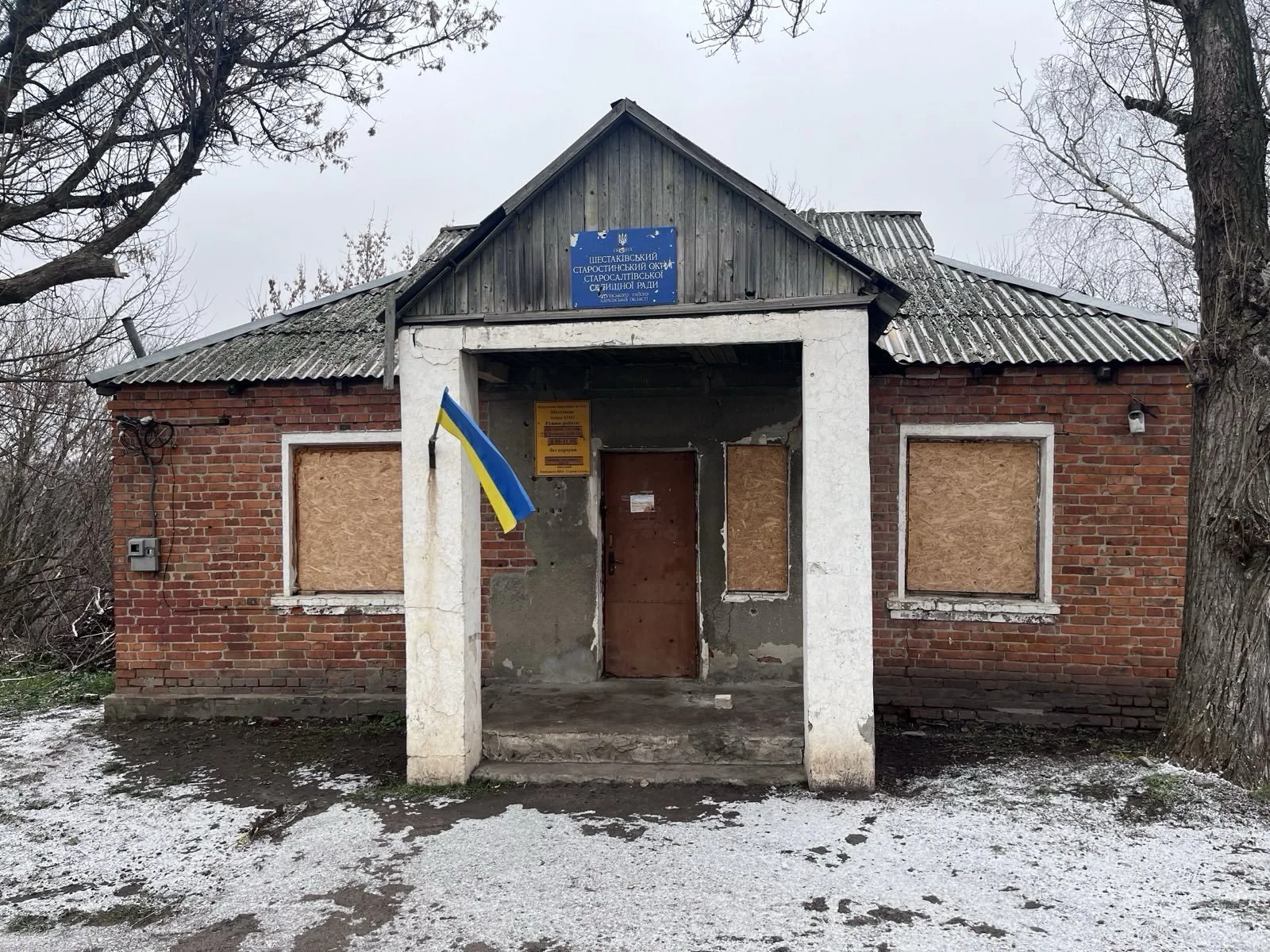
Reporting from across Ukraine
A Discussion Series on Books and Ideas
Analysis and Strategic Thinking
In-Depth Writing about Russia and the Region
Pavel Talankin had a routine job filming school activities in a small town 1,600 kilometers east of Moscow. In 2022, he realized he was documenting something that was not routine at all, the spread of pro-war indoctrination among children. That was a story.
Given the failure to renew the 2010 New START Treaty limiting Russian and American nuclear weapons, now is an auspicious time to revisit Russia’s nuclear behavior.
Large private holdings are being nationalized, re-privatized, or quietly transferred to actors deemed politically reliable. What once appeared as exceptional cases has become a pattern. Redistribution is becoming a structural feature of governance.
In this video report from Ukraine, journalist Simon Ostrovsky documents the impact of continued Russian missile and drone strikes on the country’s energy infrastructure. Widespread power cuts and blackouts have left millions without reliable electricity during extreme winter conditions.
After Moscow’s “special military operation” in Ukraine began four years ago, negative comments about the nineteenth-century writer and opposition figure Alexander Herzen intensified across Russian social media.
The story of Cheburashka, a seemingly innocuous cartoon and film character, has much to tell us about today’s Russia and its cultural landscape.
As Russia’s war of aggression against Ukraine nears its fourth anniversary, Russian President Vladimir Putin has rarely projected greater confidence of success or greater aggression toward civilian targets in Ukraine. President Donald Trump’s diplomatic team may entertain concessions to Moscow on Ukraine, but his overall foreign policy is unfolding in ways that militates against Russia’s long-term interests.
For the past few days, Kyiv has been wrapped in a thick coat of ice. From tree branches to electrical cables, everything glistens in a frozen stillness. The streets and sidewalks have turned into a giant open-air ice-skating rink, causing joy for some and worried, unsure steps for clumsy people like me. Where there is enough snow, children use any support they can find – from trash bags to old-style wooden sleds – to race down the city’s many hills.
In the aftermath of two devastating wars, Chechnya’s leadership under Ramzan Kadyrov has pursued a deliberate campaign of constructing a “new Chechen identity.”
On the morning of October 22, 2025, less than a month after a critical parliamentary election, a petite, almost fragile-looking brunette-haired woman, 53 years old, approached the podium in the Moldovan parliament… As she stepped forward, a white-clad military band struck a chord and a voice introduced the Moldovan president, Maia Sandu.
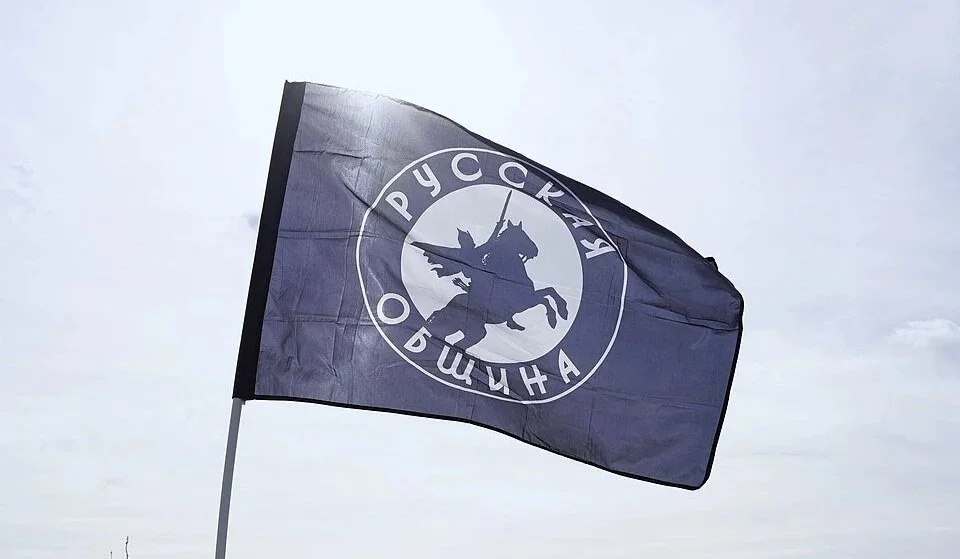
In Russia, now in the fourth year of its invasion of Ukraine, the public sense of “we” is shifting from an ethnic-religious basis to a civic and emotional one. Though many expected blood-and-soil nationalism to prevail, it has not. Being Russian is increasingly defined by citizenship, attachment to the state, and a declared feeling of Russianness.
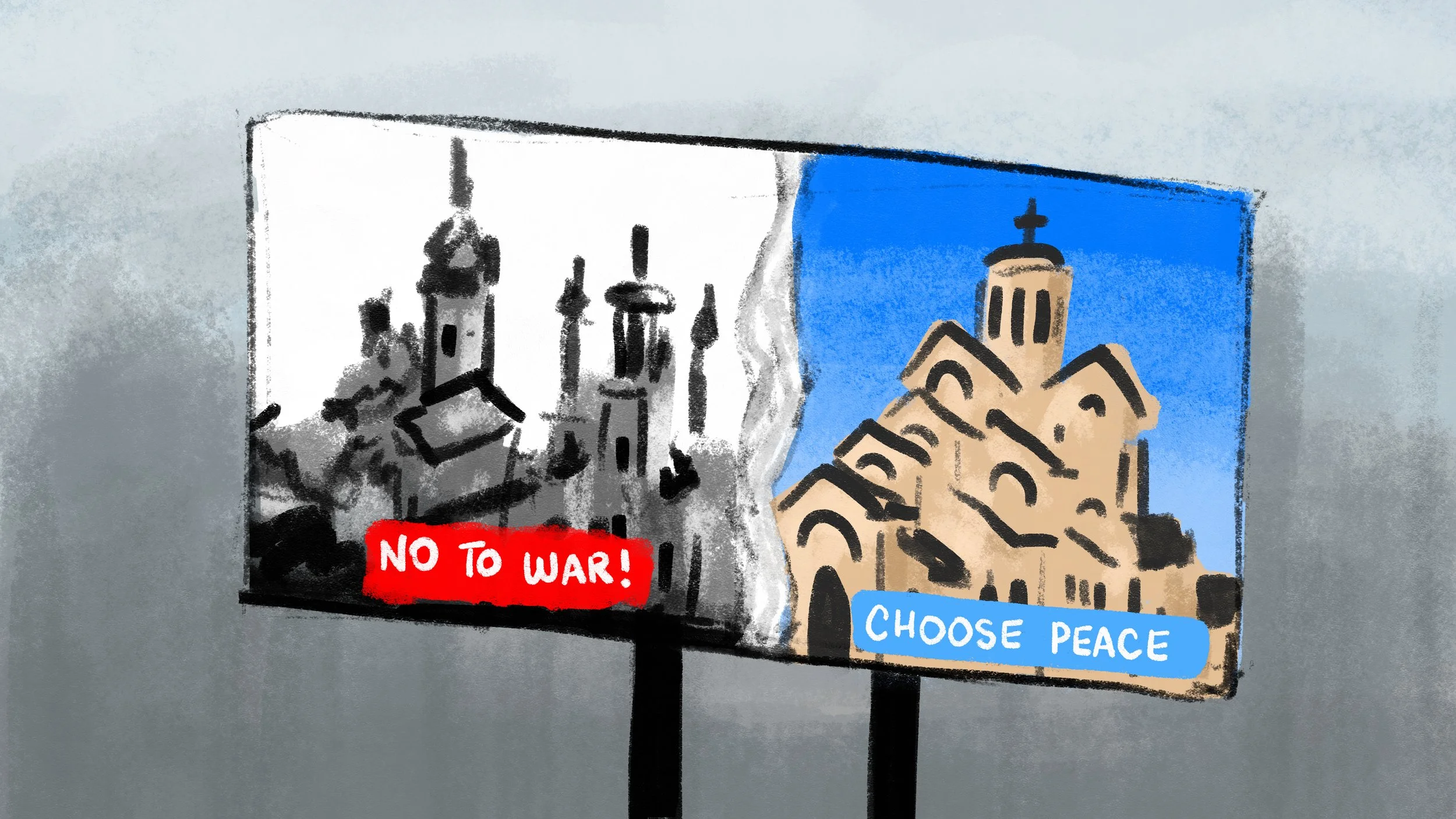
In this acceptance speech for the Peace Prize of the German Book Trade, Karl Schlögel argues that the familiar vocabulary of war and peace has failed us, and that Europe must relearn judgement, responsibility, and courage.
For an archive of Kennan Institute content, please visit The Wilson Center website.
Artwork by Kazimir Malevich and Wassily Kandinsky