The Russia File
Recent Analysis
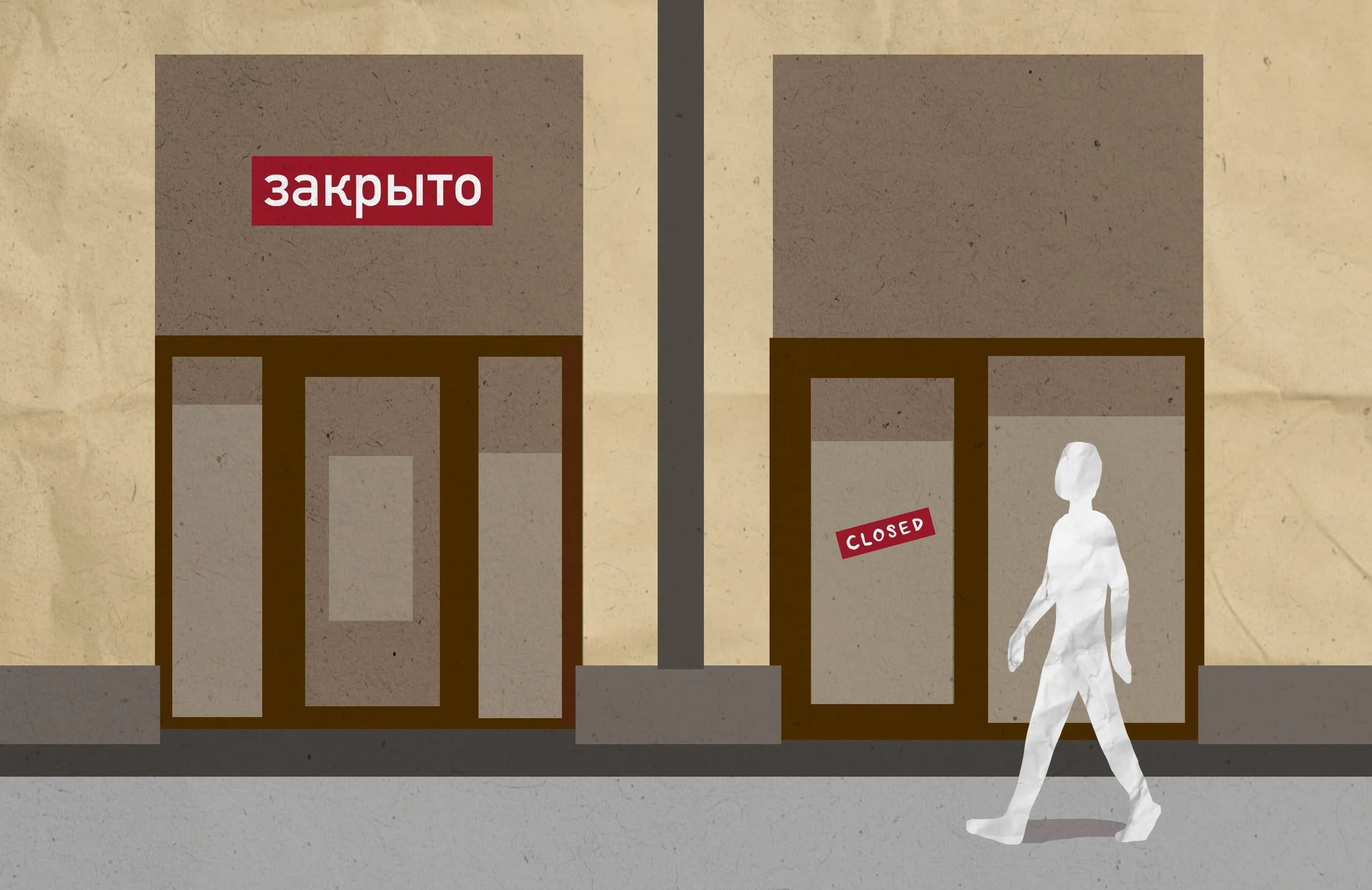
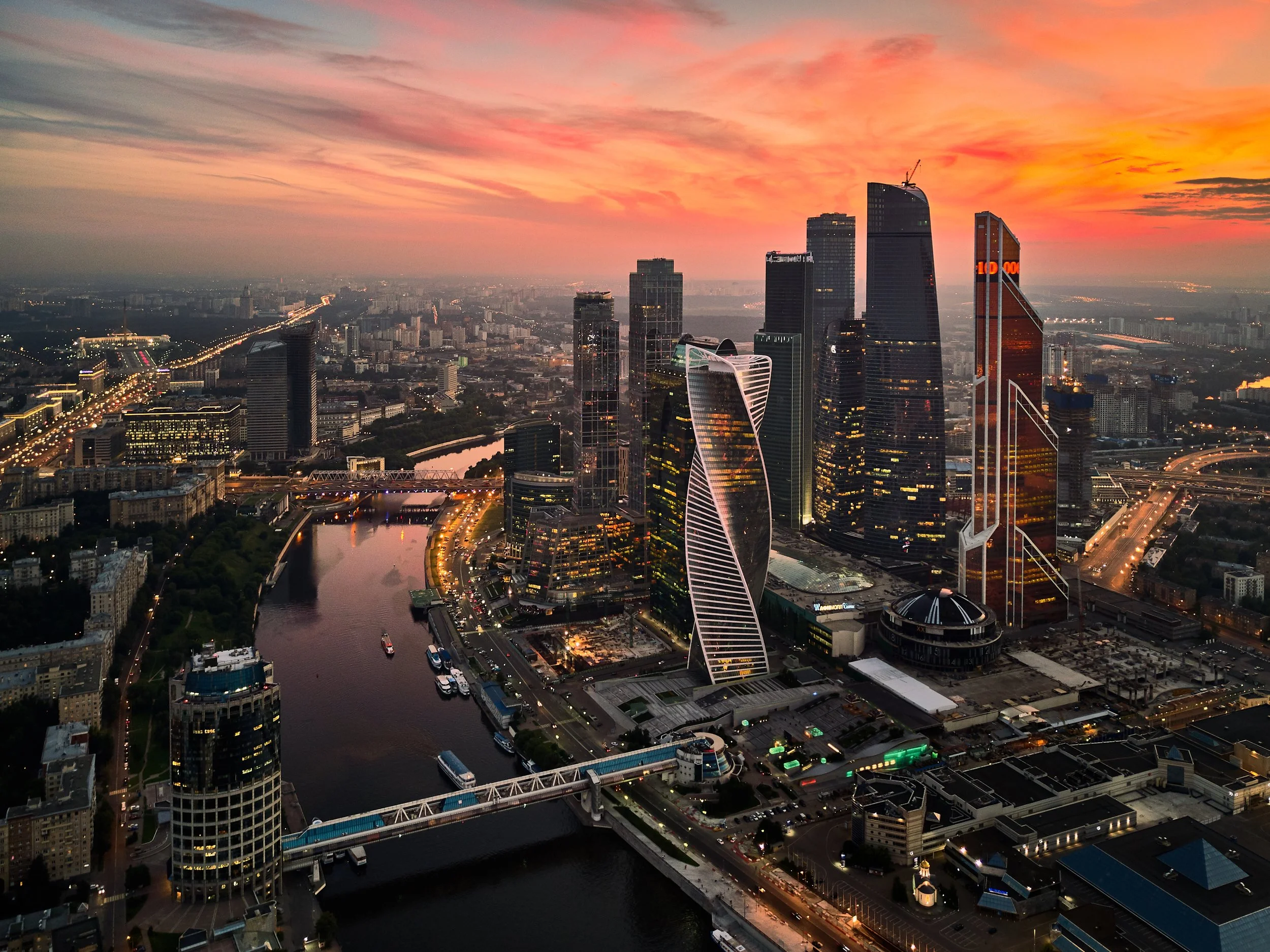
Today, dissatisfaction with the war, frustration with the authorities, and a desire for peace are concentrated primarily in the regions, while Moscow now stands apart for its markedly more statist and militaristic attitudes.
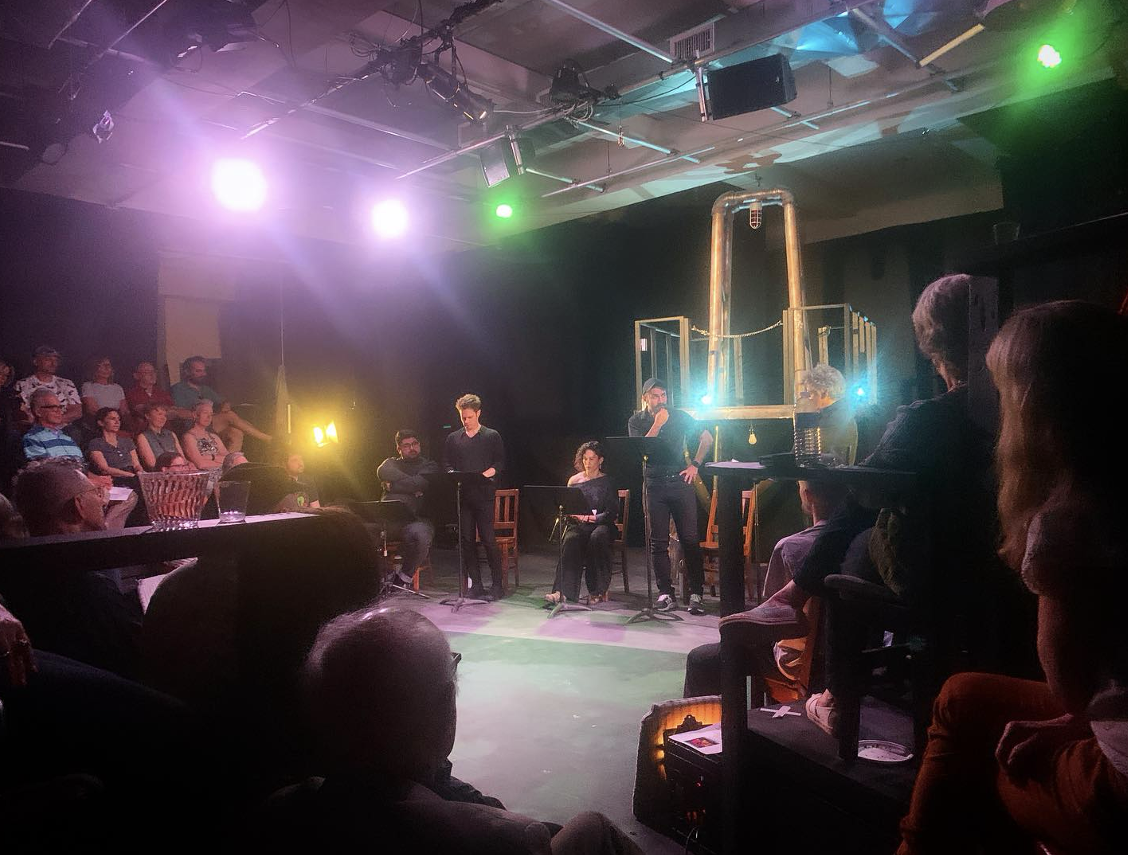
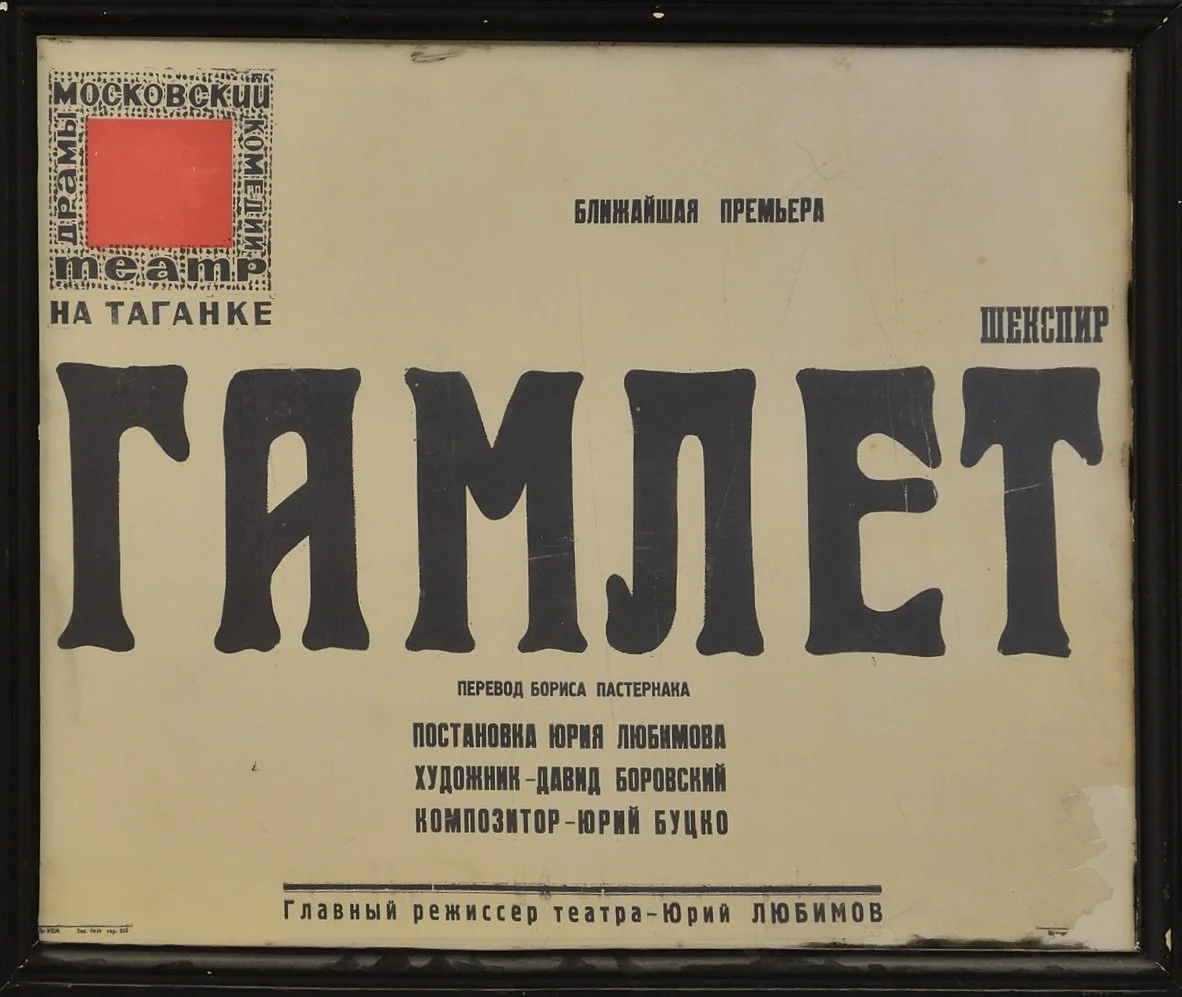
New Drama began about a decade after the fall of Soviet Union. It used the stage to speak directly about social issues, which state-sponsored media in Russia would not cover. One of the movement’s main formal qualities of the movement was its reliance on docudrama.
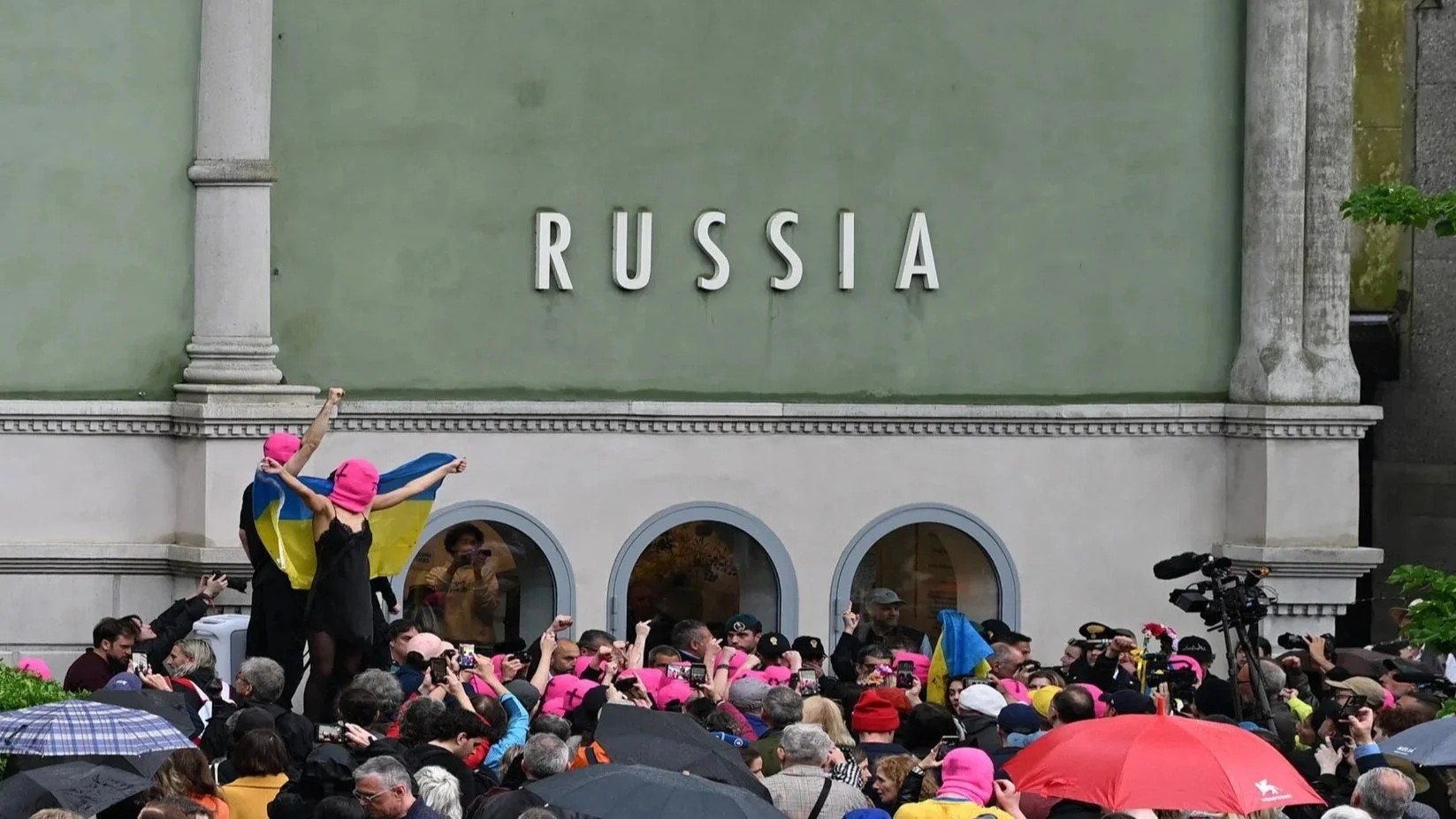
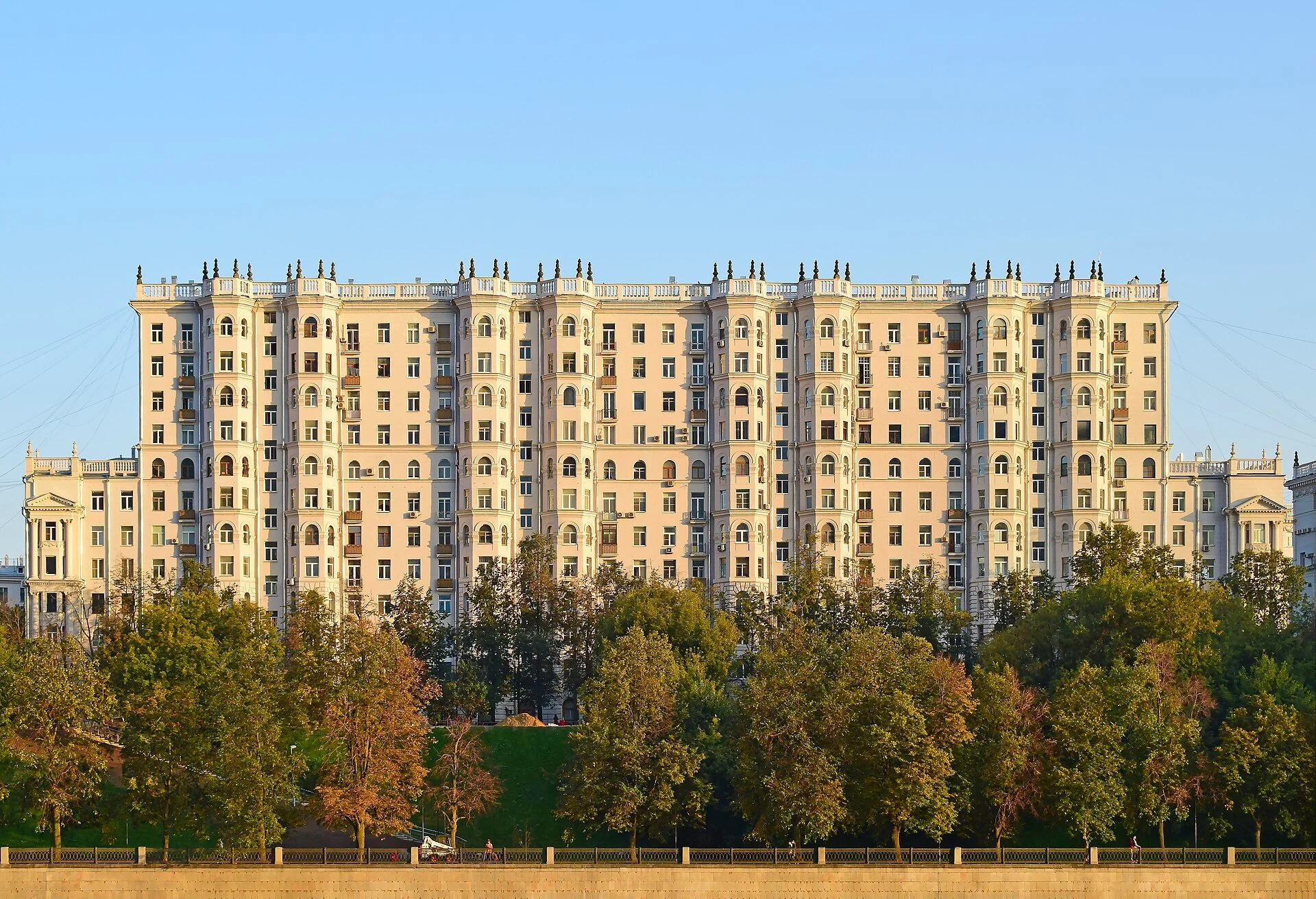
Russia's closed pavilion at the Venice Biennale — funded by a Ukrainian, designed by a Soviet architect — stands as an accidental monument to a century of ideological reinvention.
A figure once known as an anti-Navalny attack dog now presents himself as the head of the Russian opposition. Several outlets have circulated a leaked report this week claiming that Putin is in hiding, fearful of a coup. Observers abroad and many within Russia’s pro-war camp are beginning to register growing tensions in Putin’s world.
In 2022, after Russia invaded Ukraine, the West’s concerted policy was to isolate the Russian economy and to ensure that Western companies left the country. In practice, a legal exit and an economic exit have proven to be two different things.
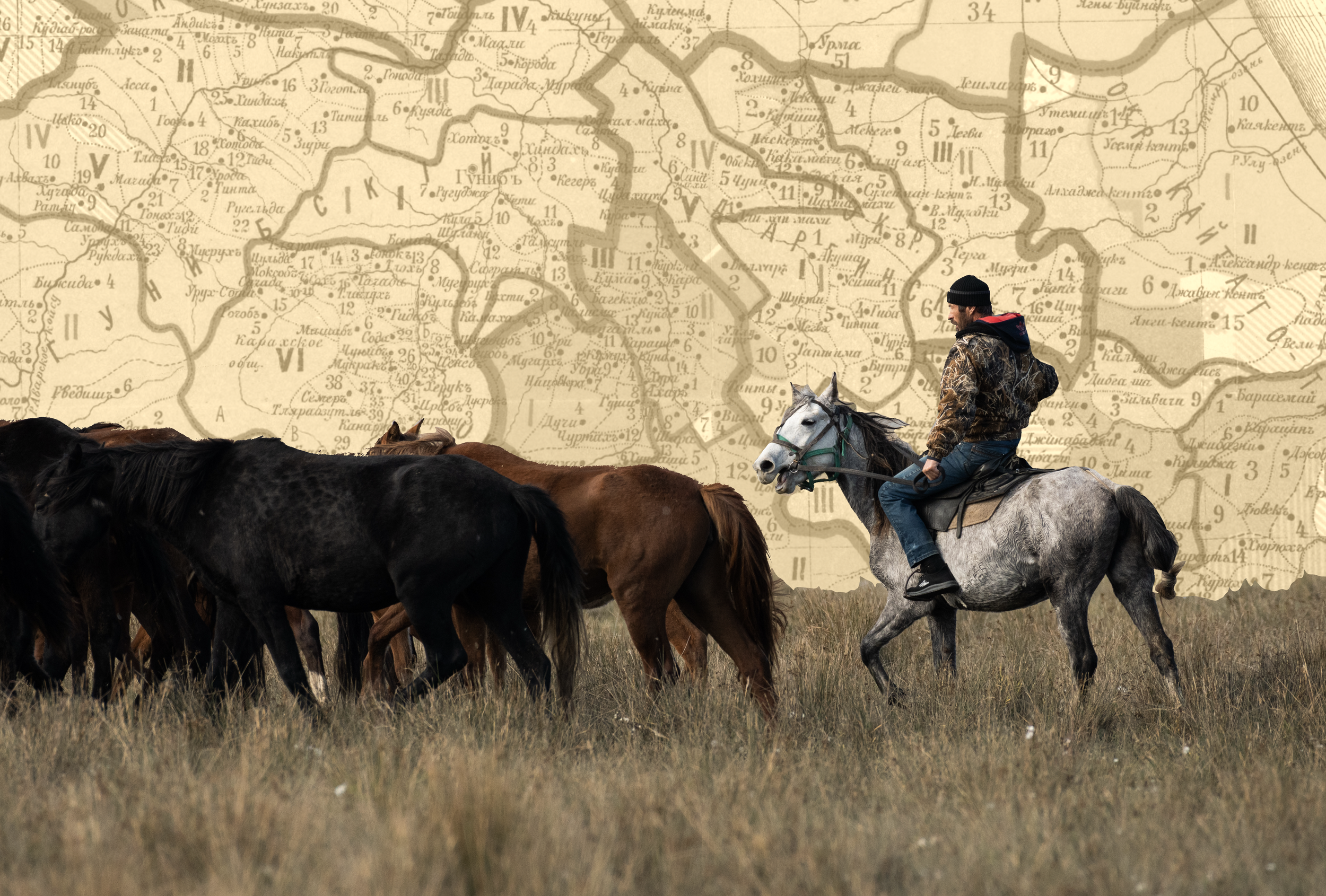
Imagine a region where more than thirty distinct ethnic groups share the same administrative borders, speak fourteen mutually unintelligible languages, have coexisted for centuries and yet still struggle to define a common identity. This is Dagestan, a republic on Russia’s southern frontier with Azerbaijan and Georgia, and arguably the most ethnically complex territory in Europe.
The Kremlin has waged a sustained assault on internet freedoms in Russia throughout the full-scale war. In recent months, this effort has focused on Telegram, a widely used messaging platform.
Jokes, songs, rumors and small acts of sabotage do not directly threaten power, but they reinforce distrust of the “strong.” The prevalence of satiric and critical discourse is an indicator of social tension and therefore something that deserves close attention.
A remarkable moment has dawned on Washington stages, as theater artists and their audiences struggle to blend resistance to a hostile federal administration with an artistic imagination that transcends the political. Two noteworthy productions – Inherit the Wind at Arena Stage, and The Crucible at the Washington National Opera – elevate political messages embedded in the original works by given them contemporary readings.
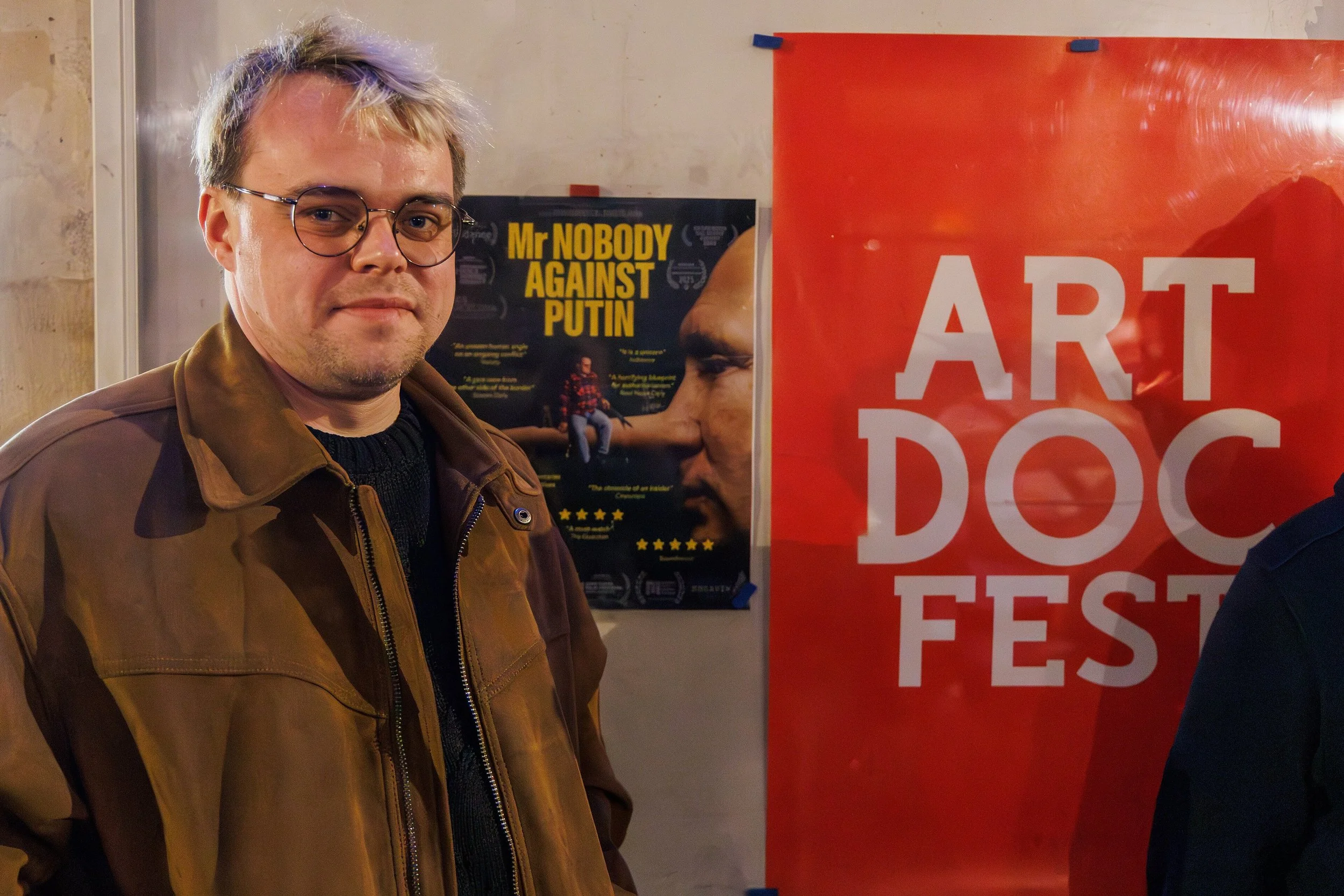
Pavel Talankin had a routine job filming school activities in a small town 1,600 kilometers east of Moscow. In 2022, he realized he was documenting something that was not routine at all, the spread of pro-war indoctrination among children. That was a story.
Given the failure to renew the 2010 New START Treaty limiting Russian and American nuclear weapons, now is an auspicious time to revisit Russia’s nuclear behavior.
Large private holdings are being nationalized, re-privatized, or quietly transferred to actors deemed politically reliable. What once appeared as exceptional cases has become a pattern. Redistribution is becoming a structural feature of governance.
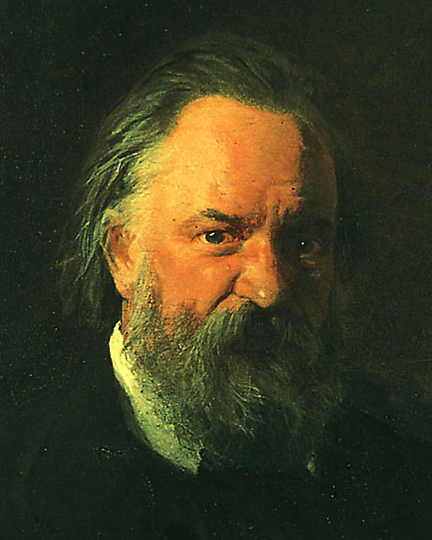
After Moscow’s “special military operation” in Ukraine began four years ago, negative comments about the nineteenth-century writer and opposition figure Alexander Herzen intensified across Russian social media.
The story of Cheburashka, a seemingly innocuous cartoon and film character, has much to tell us about today’s Russia and its cultural landscape.
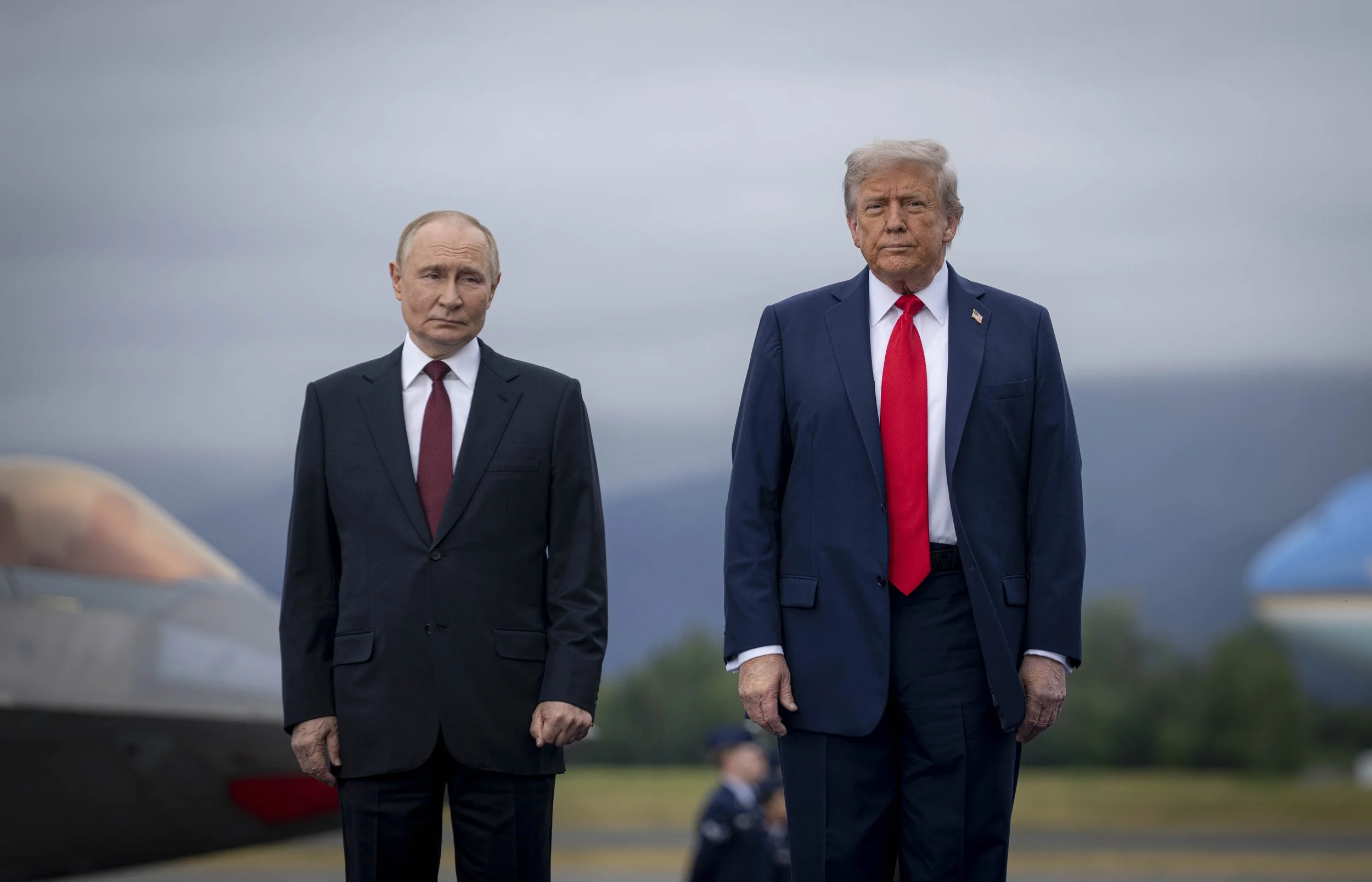
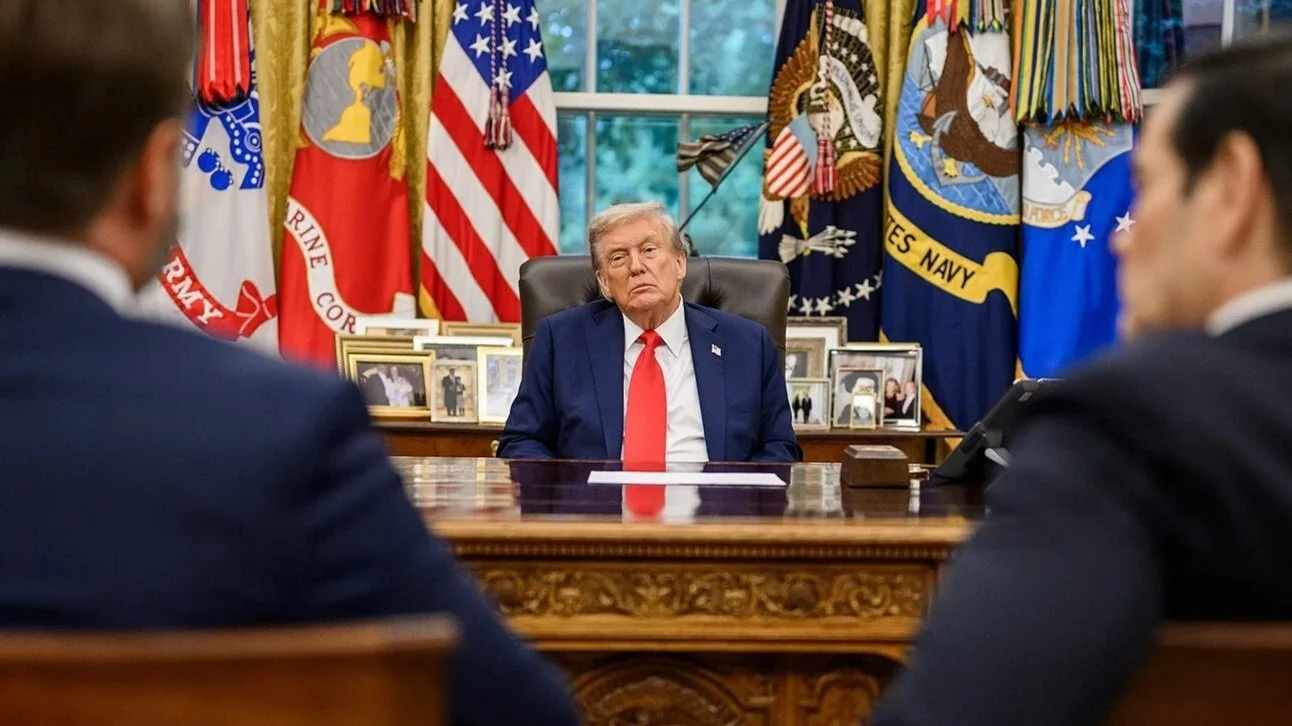
As Russia’s war of aggression against Ukraine nears its fourth anniversary, Russian President Vladimir Putin has rarely projected greater confidence of success or greater aggression toward civilian targets in Ukraine. President Donald Trump’s diplomatic team may entertain concessions to Moscow on Ukraine, but his overall foreign policy is unfolding in ways that militates against Russia’s long-term interests.
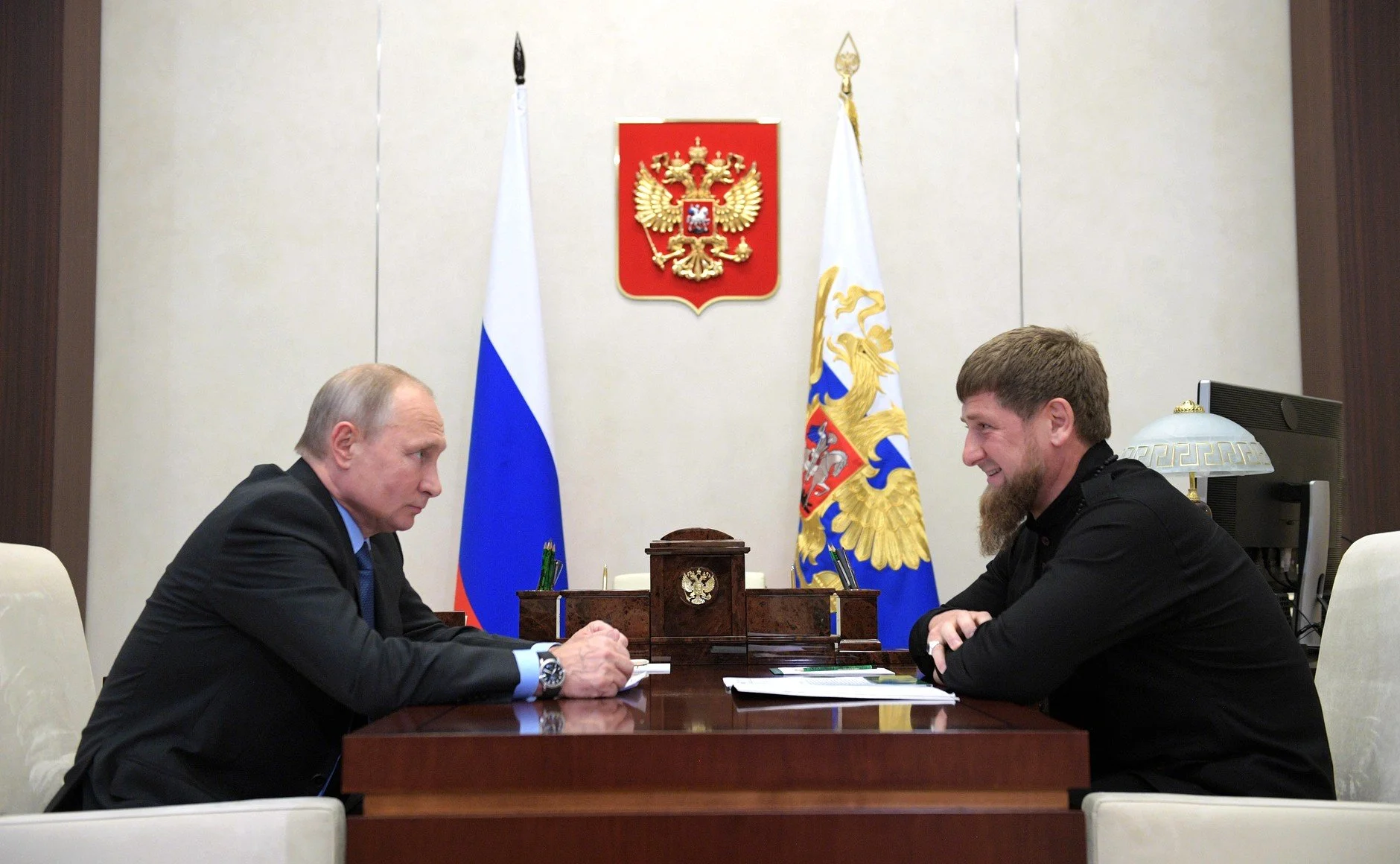
In the aftermath of two devastating wars, Chechnya’s leadership under Ramzan Kadyrov has pursued a deliberate campaign of constructing a “new Chechen identity.”
In Russia, now in the fourth year of its invasion of Ukraine, the public sense of “we” is shifting from an ethnic-religious basis to a civic and emotional one. Though many expected blood-and-soil nationalism to prevail, it has not. Being Russian is increasingly defined by citizenship, attachment to the state, and a declared feeling of Russianness.
In May 1905, when the Russian fleet was nearly destroyed by Japan’s navy at Tsushima, the decisive battle of the Russo-Japanese War, the global perception was unmistakable. For the first time since the Middle Ages, a non-European nation had defeated a European power in a major war. At the time, Russia was seen unambiguously as part of the West, a European power both in appearance and ambition.
The Russia File provides textured, fine-grained analysis of Russia and its surroundings.
The war Russia is waging against Ukraine is the predominant regional concern, highlighting the question of Russian motivations and the question of domestic-political support for the war. Neither question admits clear-cut empirical answers. Both must be continuously puzzled through, without assuming the war will be permanently fought and without indulging in wishful thinking about a quick end to a war that has already lasted many years.
The Russia File does not define its topic narrowly. It incorporates the attitudes and the thinking of diaspora Russian populations. It does not endorse the presumption that everyone living in Russia is Russian (whatever this word means), and The Russia File is alert to the debates about belonging and non-belonging that have haunted Russia since the collapse of the Soviet Union in 1991. Culture, history and language exert a shaping force on the Russian element in Russian politics.
The Russia File embraces Kremlinology. It traces the sinews of power in Russia, the institutions that collect and transmit power and the competition for power and influence within the Russian government. At the center of Russian power is the person of Vladimir Putin, one of the world’s longest-serving leaders, whose stamp is felt at every point on the Russian political spectrum. Putin’s decision to invade Ukraine in February 2022 is among the most consequential in Russian history. His future decisions about the war will not be less consequential.
Yet even when power is concentrated in only a few hands, it is never absolute.
For this reason, The Russia File carefully examines state-society relations in Russia, the ways in which the state fashions Russian society and (of equal significance) the ways in which society fashions the Russian state. Putinism is a state-society construction; its transformation or demise, when it comes, may well originate not in the career of Vladimir Putin but in the unpredictable movements of society, as happened in Imperial Russia in 1917 and in the Soviet Union in the late 1980s. The Russia File combines these strands into real-time reflection on Russia’s ongoing evolutions.