
The Languages Russia Almost Forgot
A group of writers who fled Russia for political reasons has founded a PEN Center that, while analyzing the repression of literature in their homeland, has embarked on something less expected. The Center challenged the assumption that the Russian language should occupy a dominant place within Russia itself, launching a decolonial project to support the literature of indigenous peoples and of various minority ethnic groups.
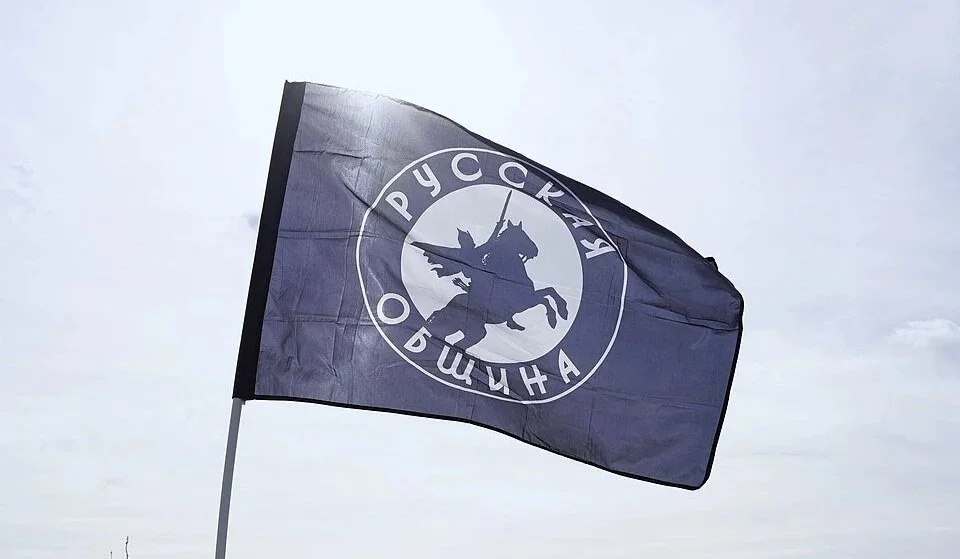
When the Russian World Comes Home
Last September, a new conservative movement made itself highly visible in Russia. Known as Russkaya obshchina, or Russian Community (RO), the group has engaged in anti-migrant vigilantism and enjoyed public support from parts of the Russian security apparatus.
The End of Belarus's Balancing Act
Aliaksandr Lukashenka has spent three decades in power, leaving some observers with the impression that he still has a real choice between Moscow and the West. Since 2020, that choice has grown far harder to sustain.
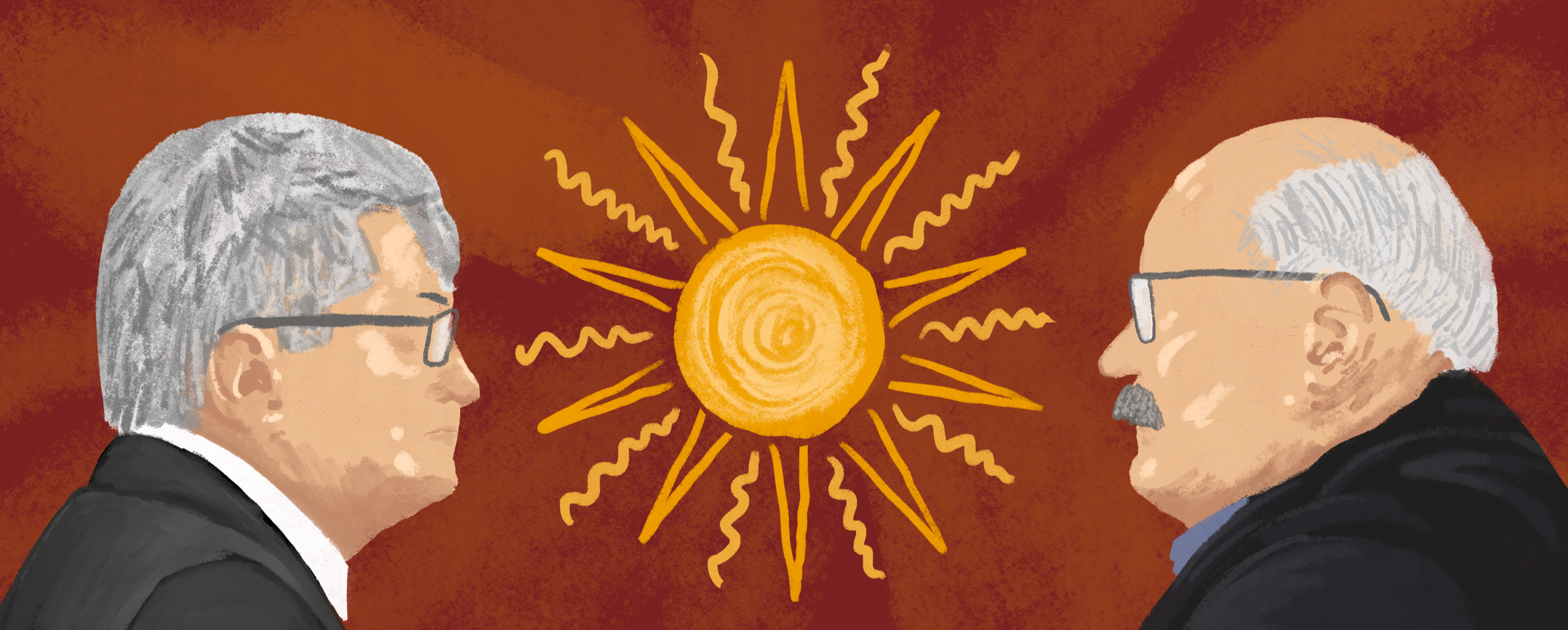
The Tale of Two Filmmakers in Putin’s Russia
Two directors — one a Kremlin loyalist, one a lone dissenter — bound to power in a decades-long drama. These two towering cultural figures seem to embody radically opposing responses to power.
Loyal Moscow, Restless Russia
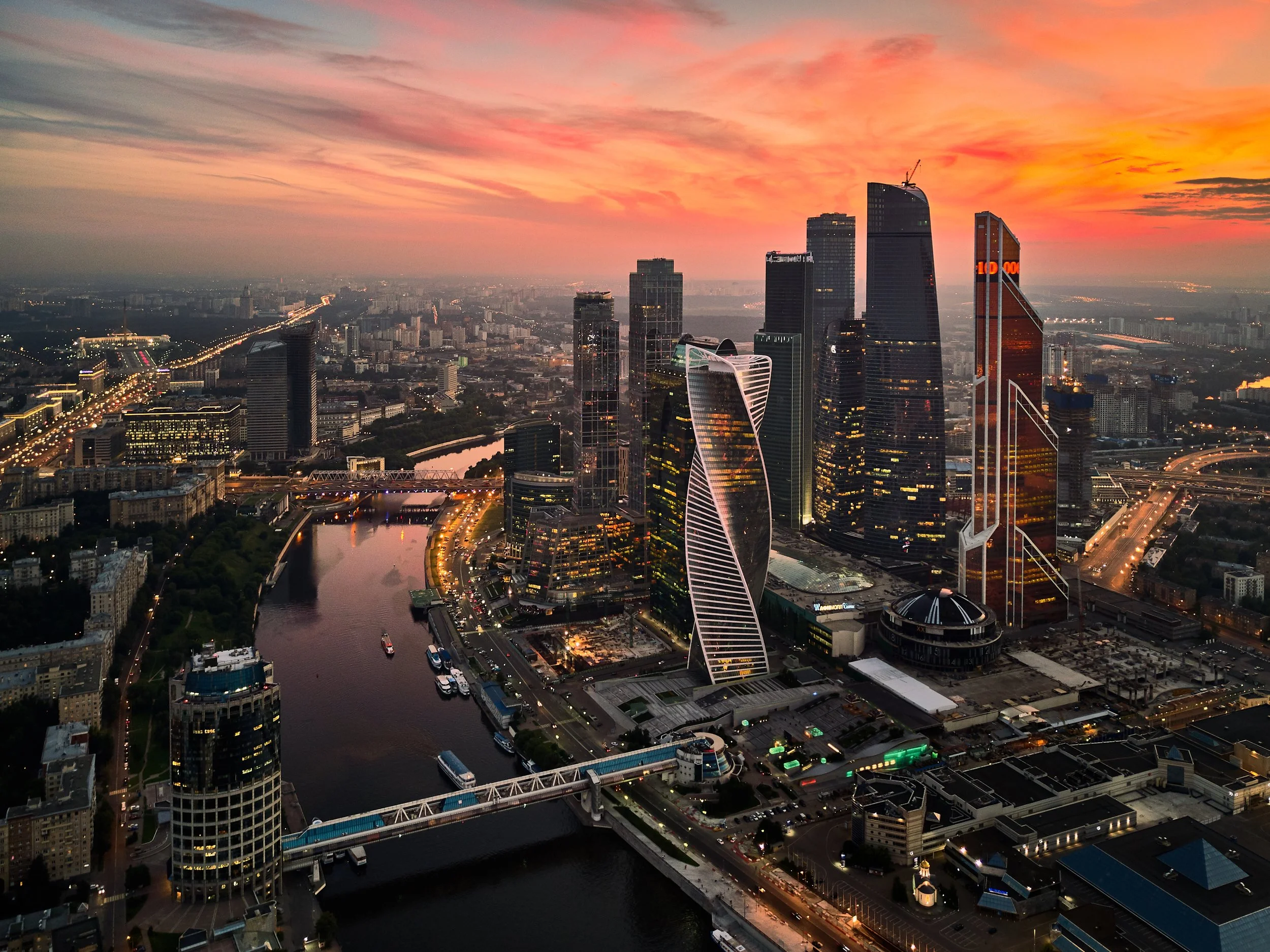
Today, dissatisfaction with the war, frustration with the authorities, and a desire for peace are concentrated primarily in the regions, while Moscow now stands apart for its markedly more statist and militaristic attitudes.
From Self-Censorship to Exposé
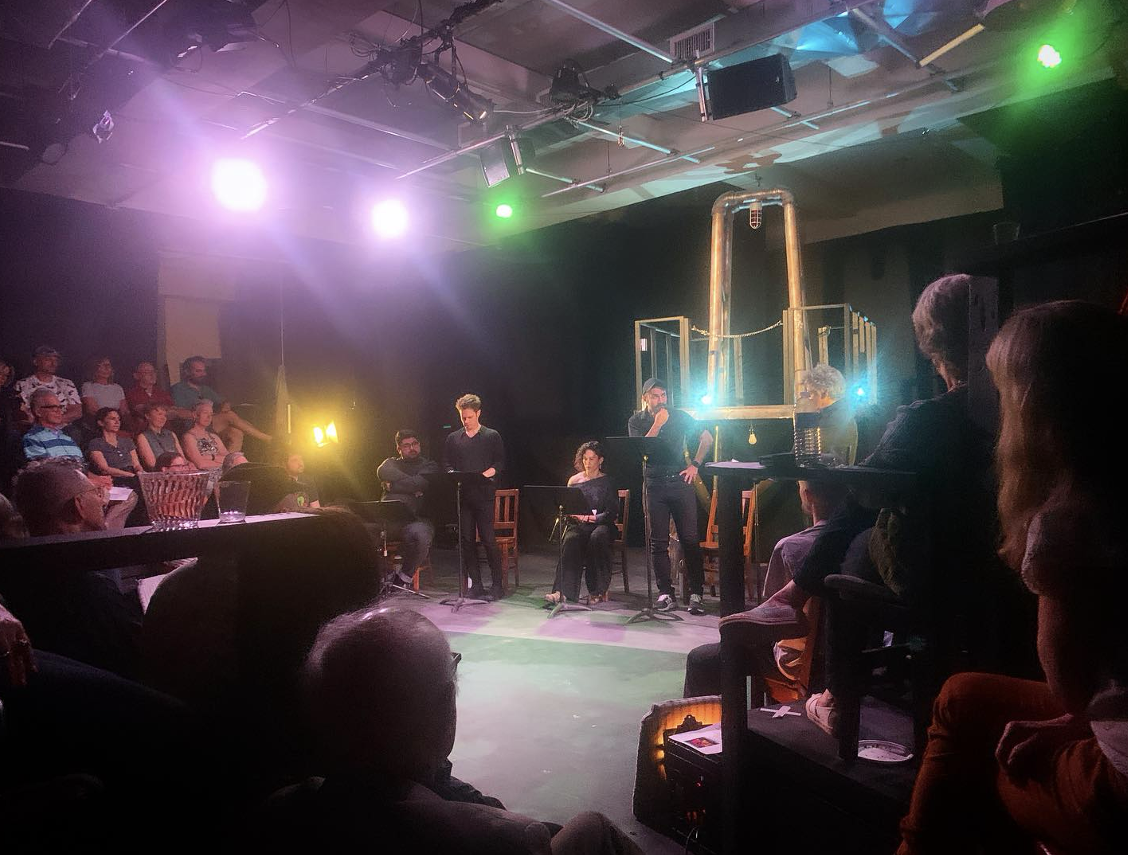
New Drama began about a decade after the fall of Soviet Union. It used the stage to speak directly about social issues, which state-sponsored media in Russia would not cover. One of the movement’s main formal qualities of the movement was its reliance on docudrama.
Nobody’s Heroes
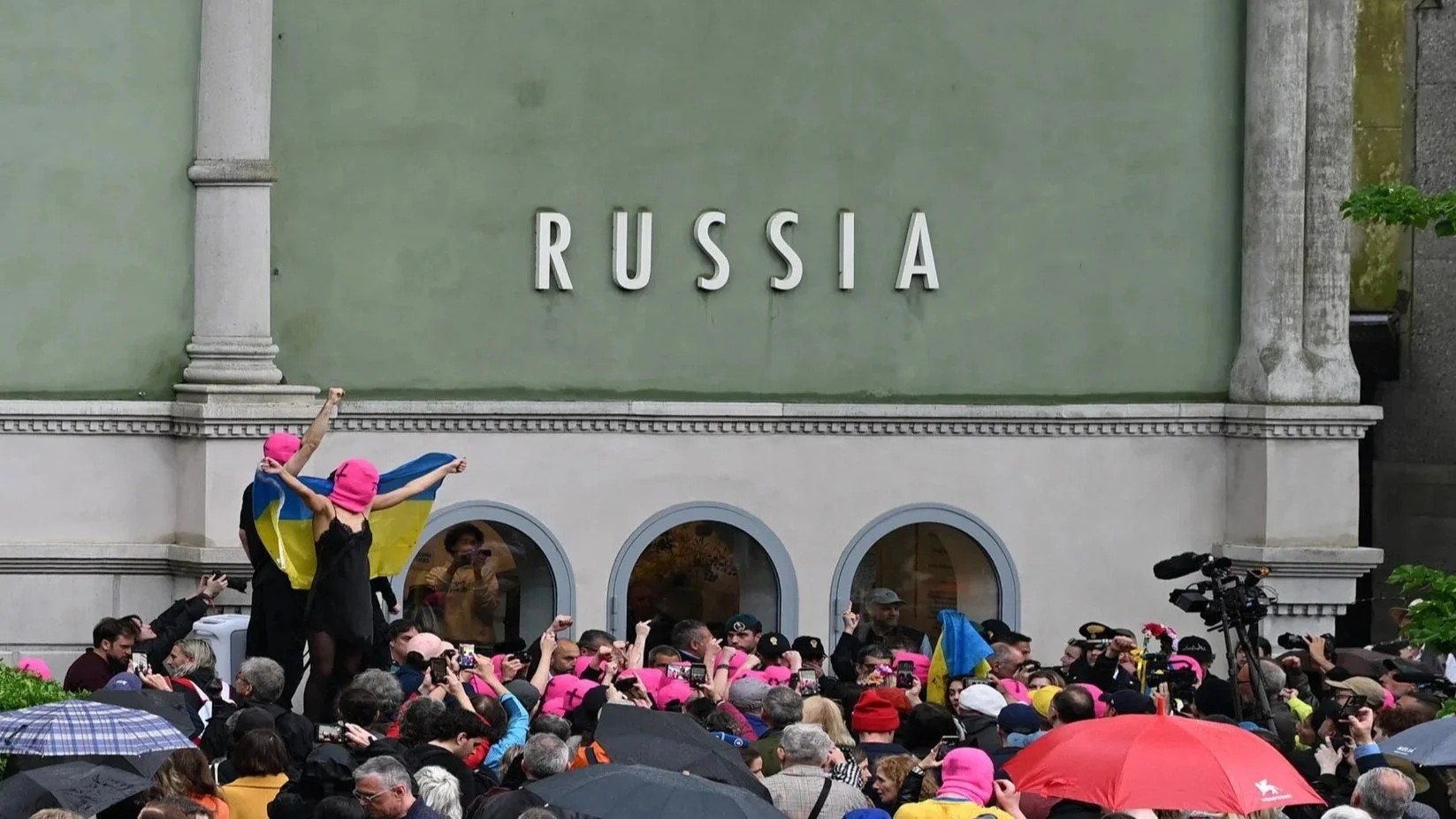
Russia's closed pavilion at the Venice Biennale — funded by a Ukrainian, designed by a Soviet architect — stands as an accidental monument to a century of ideological reinvention.
Systemic Strain and the Logic of Escalation
A figure once known as an anti-Navalny attack dog now presents himself as the head of the Russian opposition. Several outlets have circulated a leaked report this week claiming that Putin is in hiding, fearful of a coup. Observers abroad and many within Russia’s pro-war camp are beginning to register growing tensions in Putin’s world.
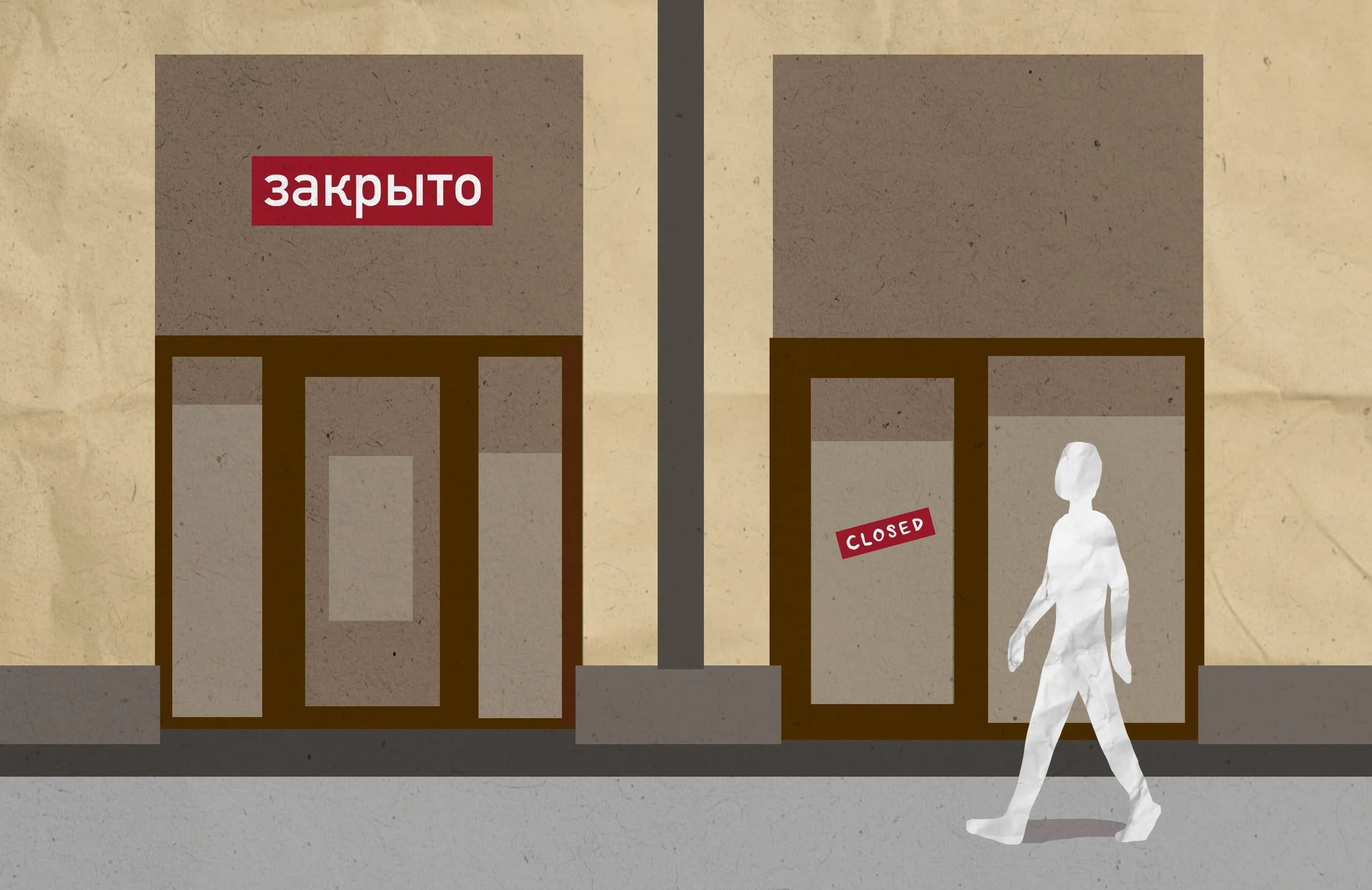
To Leave or Not to Leave: How Russian Technocrats Undermined Western Efforts to Isolate Russia
In 2022, after Russia invaded Ukraine, the West’s concerted policy was to isolate the Russian economy and to ensure that Western companies left the country. In practice, a legal exit and an economic exit have proven to be two different things.
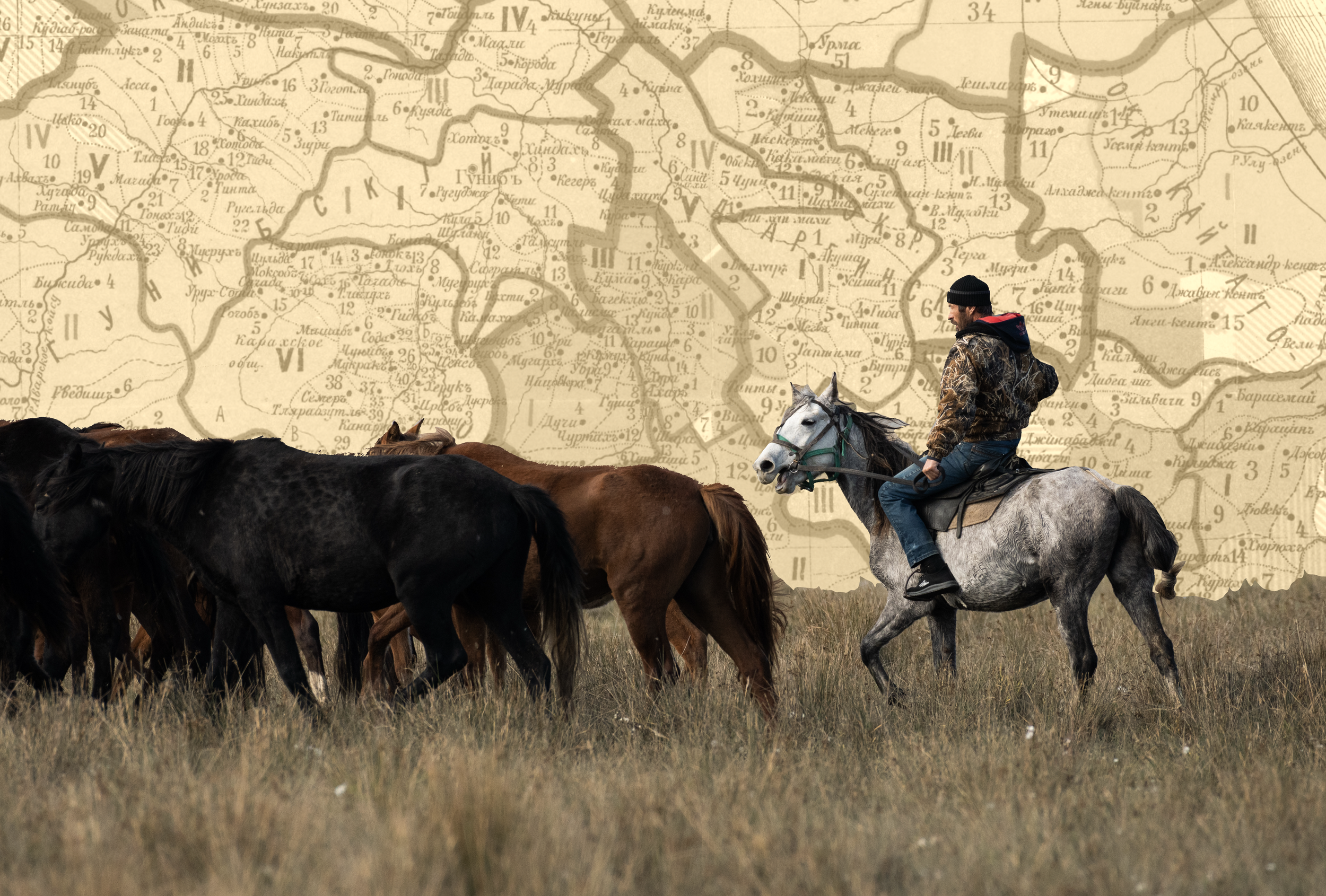
Dagestan’s Divided House: Europe’s Ethnically Most Complex Place
Imagine a region where more than thirty distinct ethnic groups share the same administrative borders, speak fourteen mutually unintelligible languages, have coexisted for centuries and yet still struggle to define a common identity. This is Dagestan, a republic on Russia’s southern frontier with Azerbaijan and Georgia, and arguably the most ethnically complex territory in Europe.

The Kremlin’s Telegram Dilemma
The Kremlin has waged a sustained assault on internet freedoms in Russia throughout the full-scale war. In recent months, this effort has focused on Telegram, a widely used messaging platform.

Weapons of the Weak: What Today’s Russian Humor Reveals
Jokes, songs, rumors and small acts of sabotage do not directly threaten power, but they reinforce distrust of the “strong.” The prevalence of satiric and critical discourse is an indicator of social tension and therefore something that deserves close attention.
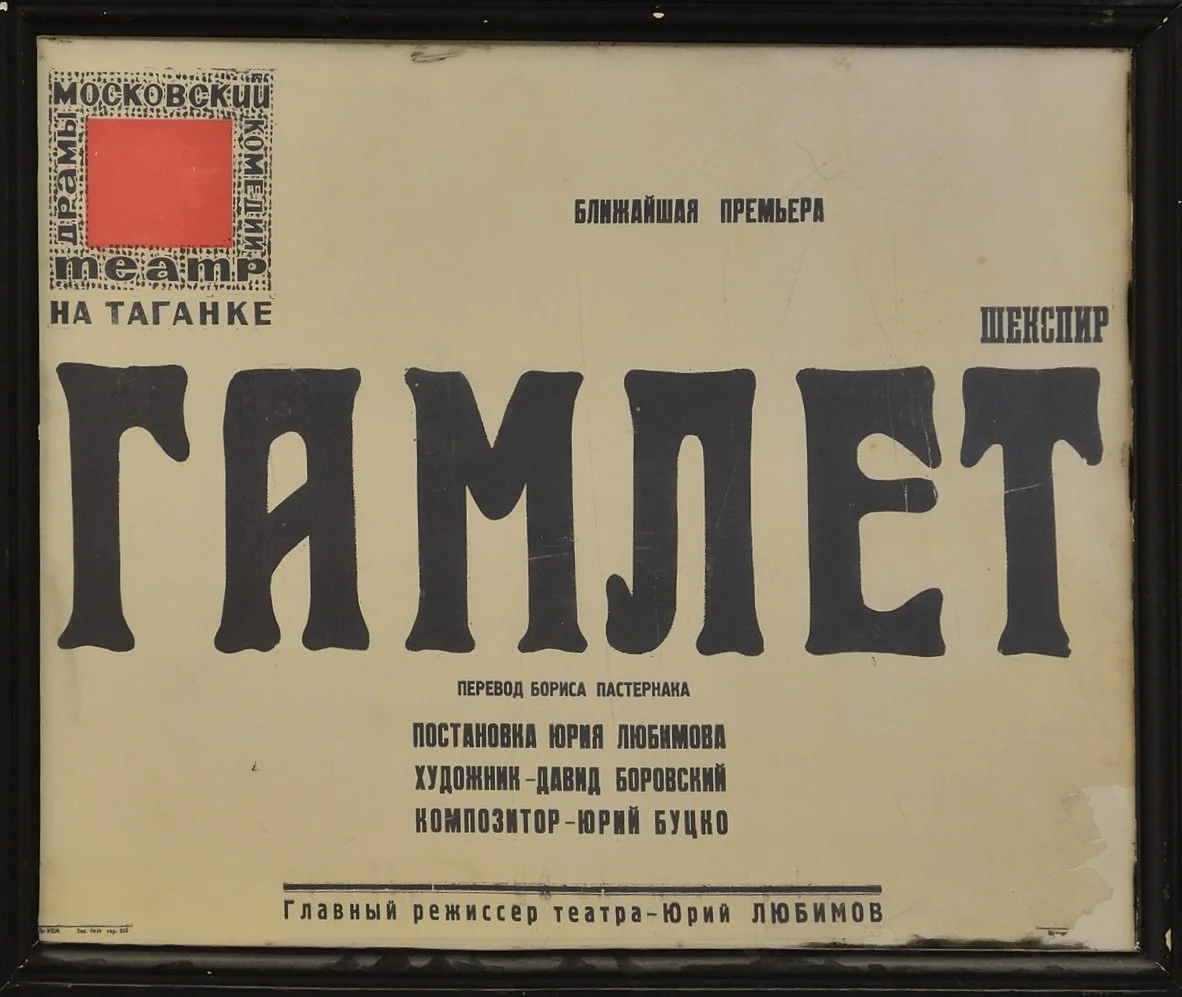
Non-Political-Yet-Political Theater Comes to Washington
A remarkable moment has dawned on Washington stages, as theater artists and their audiences struggle to blend resistance to a hostile federal administration with an artistic imagination that transcends the political. Two noteworthy productions – Inherit the Wind at Arena Stage, and The Crucible at the Washington National Opera – elevate political messages embedded in the original works by given them contemporary readings.
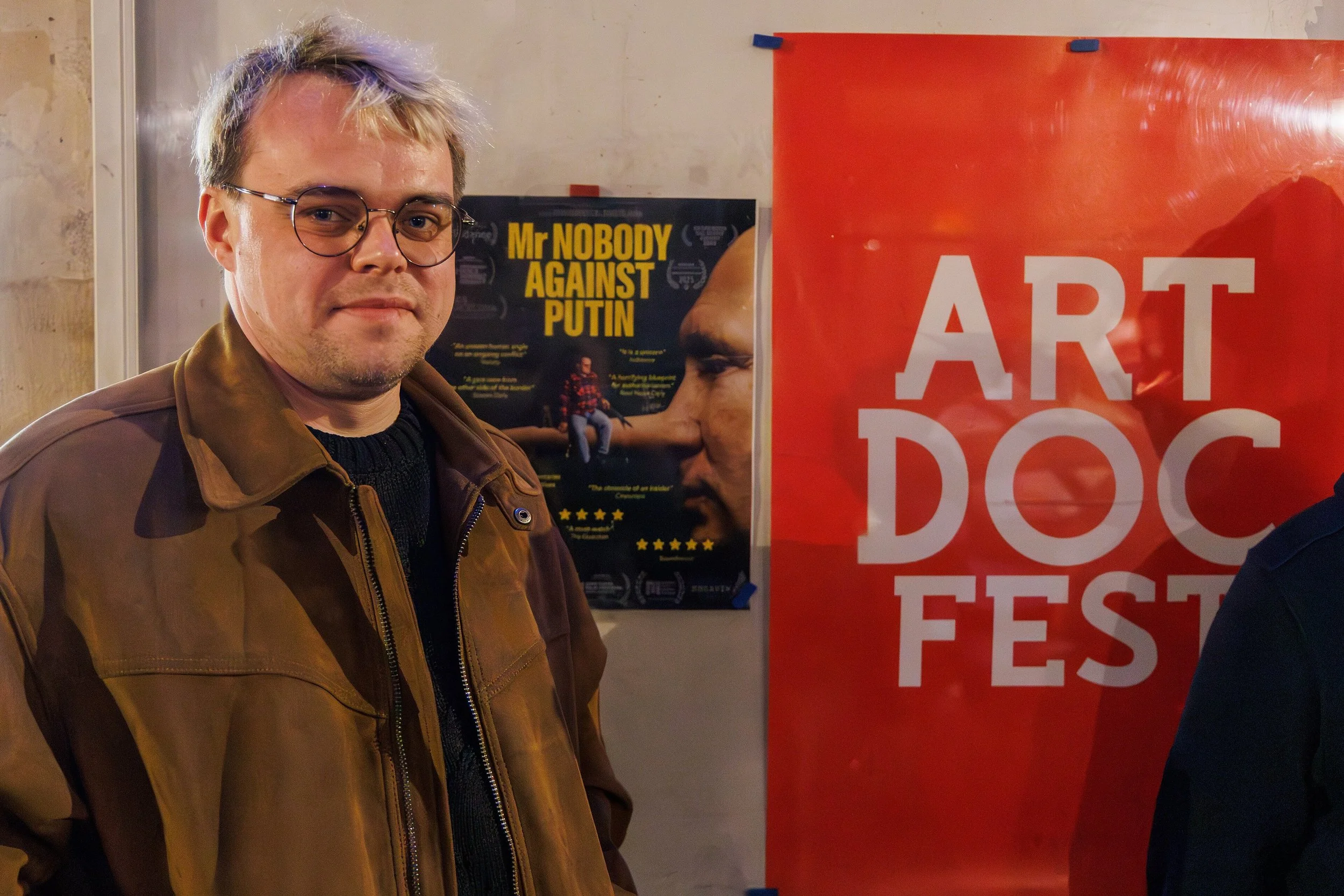
The Rise of Mr. Nobody
Pavel Talankin had a routine job filming school activities in a small town 1,600 kilometers east of Moscow. In 2022, he realized he was documenting something that was not routine at all, the spread of pro-war indoctrination among children. That was a story.
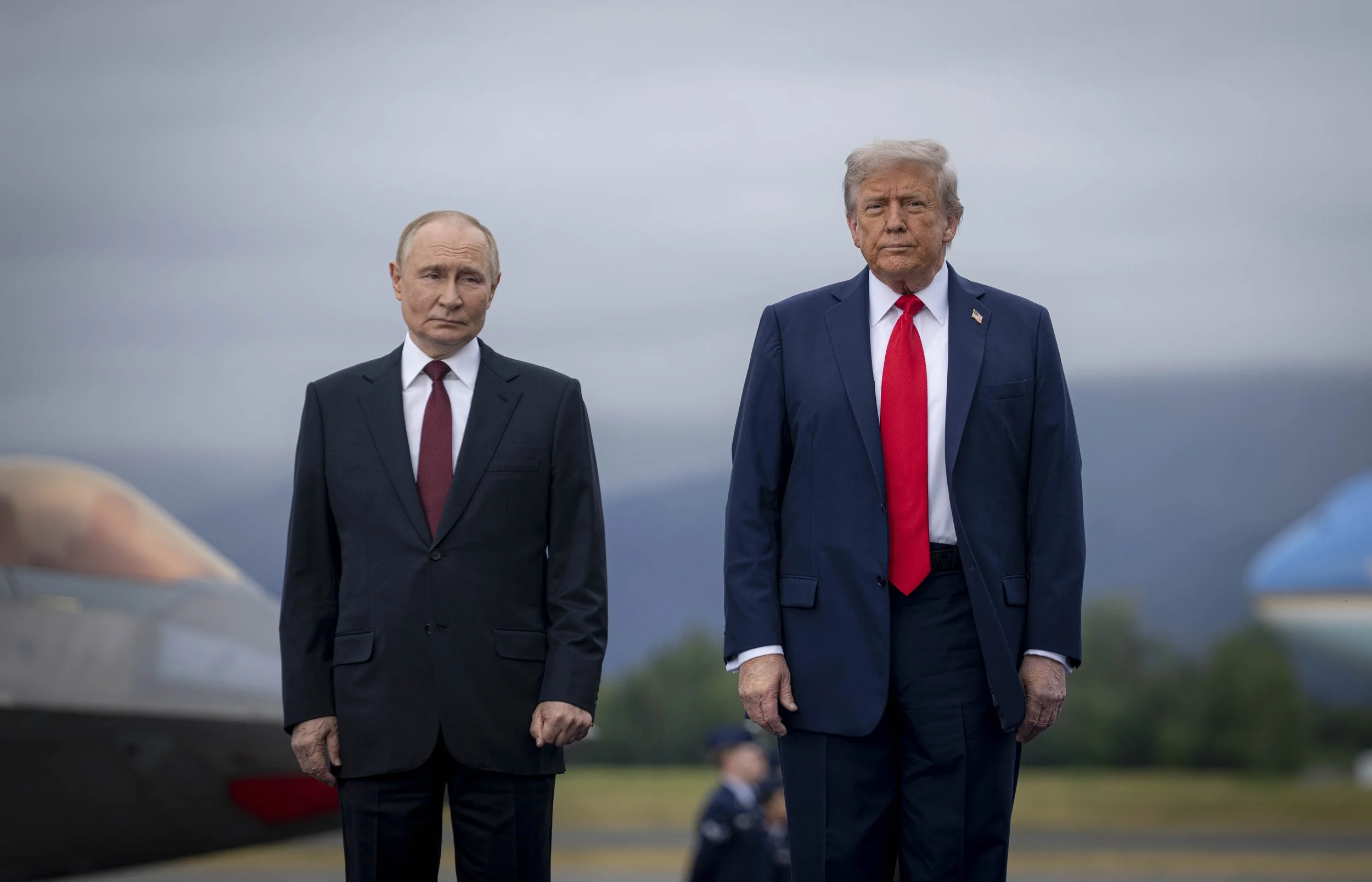
Reflections on Russia’s Nuclear Behavior
Given the failure to renew the 2010 New START Treaty limiting Russian and American nuclear weapons, now is an auspicious time to revisit Russia’s nuclear behavior.
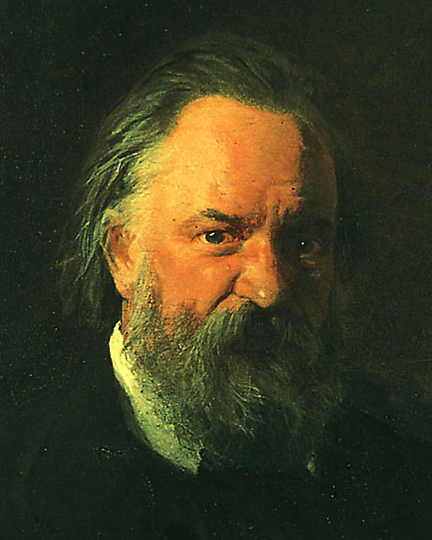
The Dangerous Legacy of Alexander Herzen
After Moscow’s “special military operation” in Ukraine began four years ago, negative comments about the nineteenth-century writer and opposition figure Alexander Herzen intensified across Russian social media.

Cheburashka’s Second Coming
The story of Cheburashka, a seemingly innocuous cartoon and film character, has much to tell us about today’s Russia and its cultural landscape.
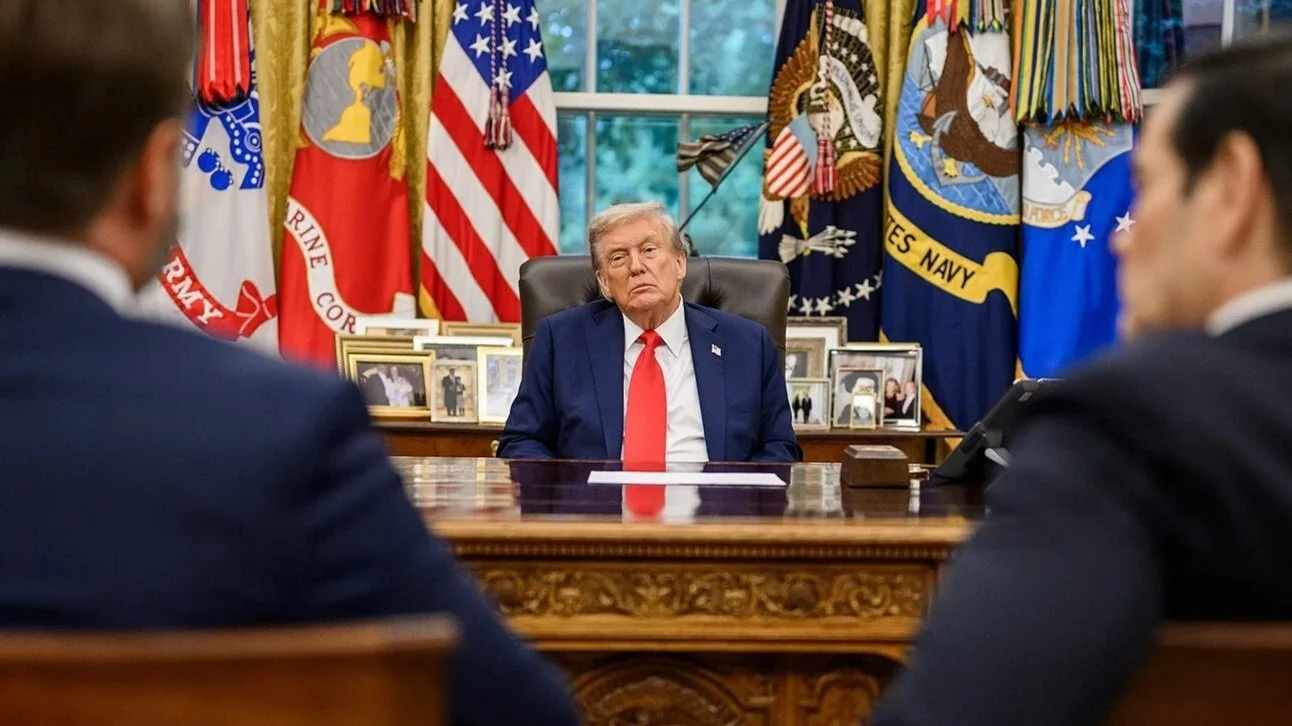
Trump Is Not Doing Russia Any Favors
As Russia’s war of aggression against Ukraine nears its fourth anniversary, Russian President Vladimir Putin has rarely projected greater confidence of success or greater aggression toward civilian targets in Ukraine. President Donald Trump’s diplomatic team may entertain concessions to Moscow on Ukraine, but his overall foreign policy is unfolding in ways that militates against Russia’s long-term interests.
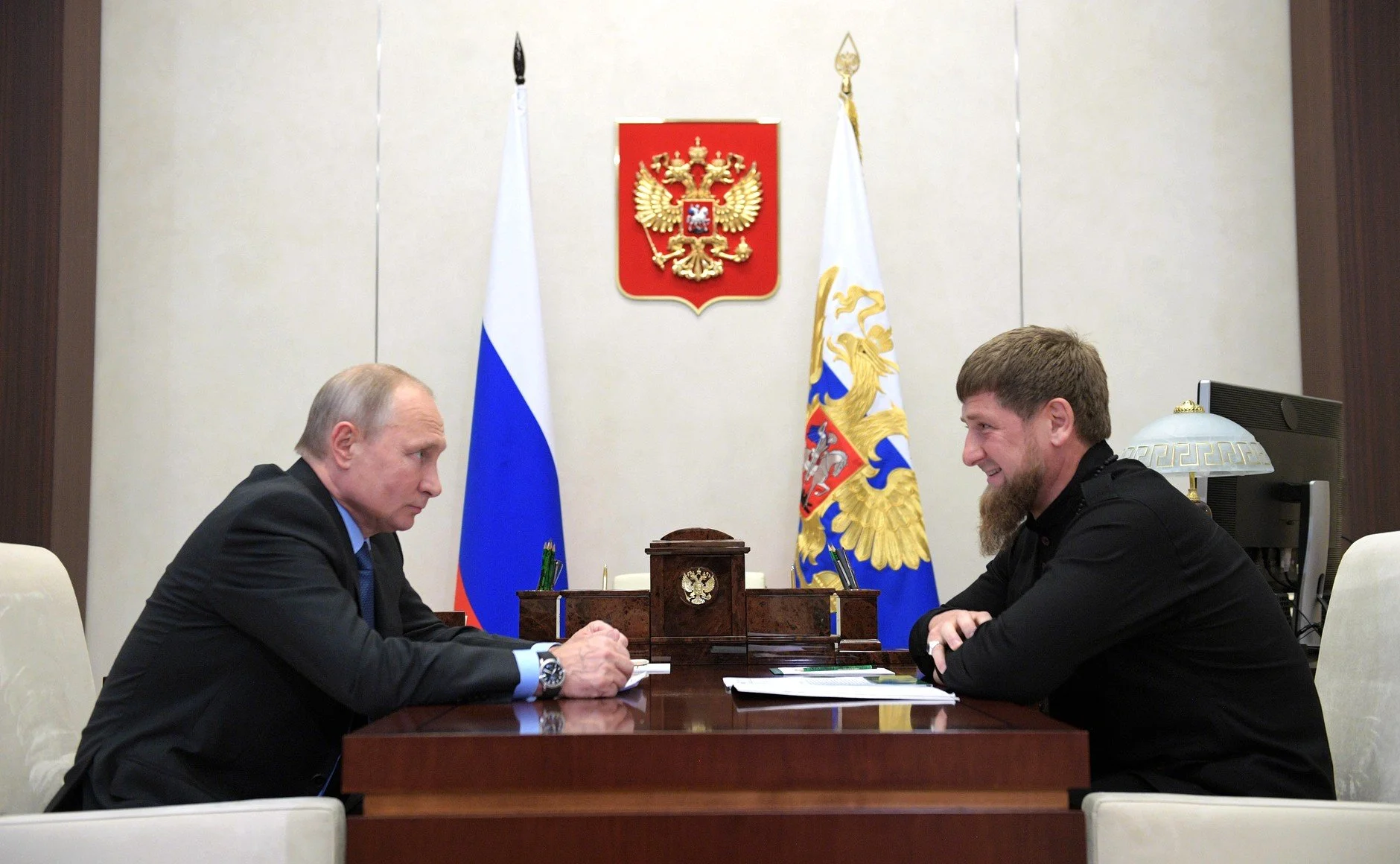
Chechnya: Laboratory of Authoritarian Identity Engineering
In the aftermath of two devastating wars, Chechnya’s leadership under Ramzan Kadyrov has pursued a deliberate campaign of constructing a “new Chechen identity.”

Civic Myth, Imperial Reality: Putin’s Political Nationalism
In Russia, now in the fourth year of its invasion of Ukraine, the public sense of “we” is shifting from an ethnic-religious basis to a civic and emotional one. Though many expected blood-and-soil nationalism to prevail, it has not. Being Russian is increasingly defined by citizenship, attachment to the state, and a declared feeling of Russianness.