
Dark Winter
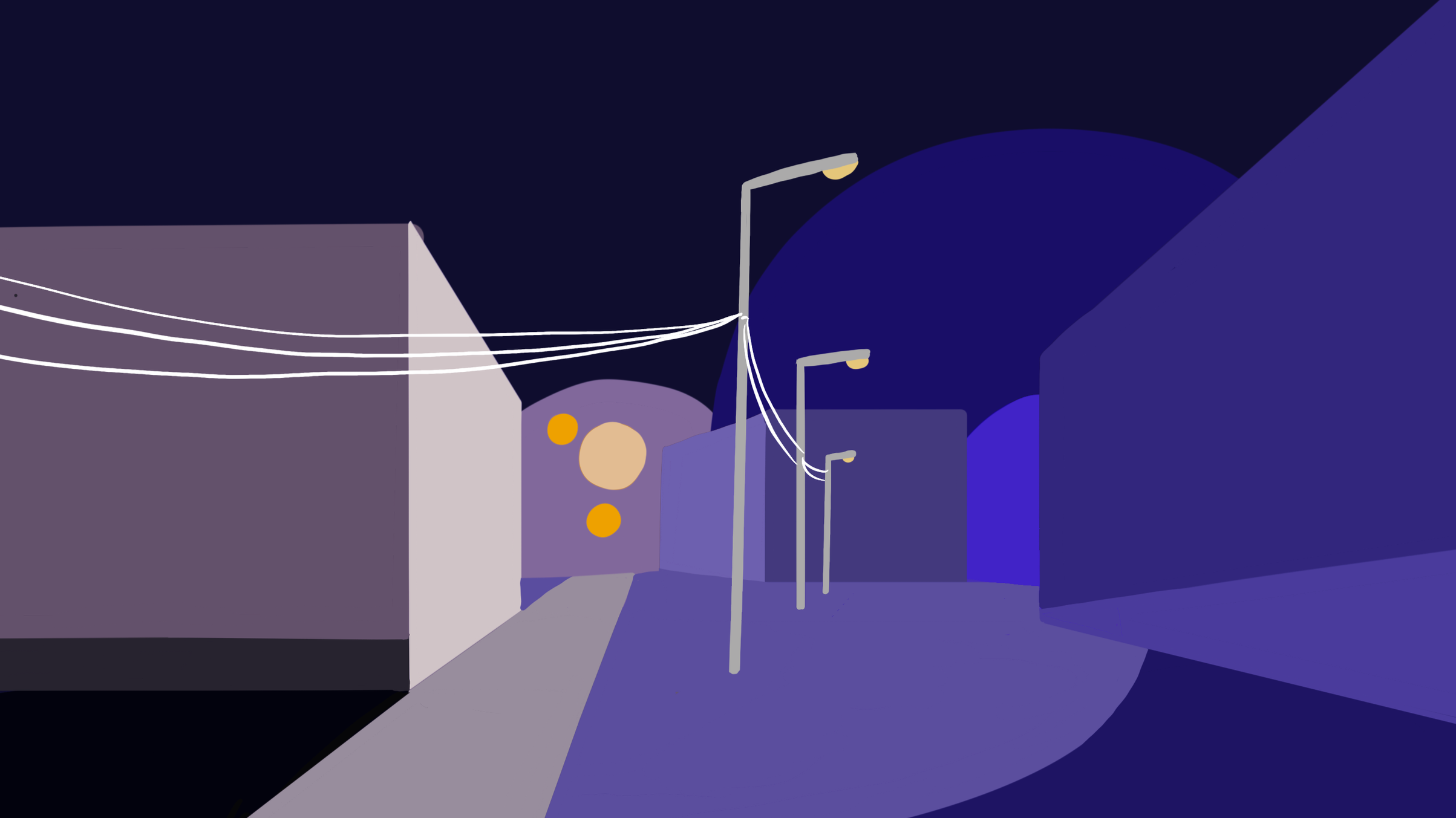
For the past few days, Kyiv has been wrapped in a thick coat of ice. From tree branches to electrical cables, everything glistens in a frozen stillness. The streets and sidewalks have turned into a giant open-air ice-skating rink, causing joy for some and worried, unsure steps for clumsy people like me. Where there is enough snow, children use any support they can find – from trash bags to old-style wooden sleds – to race down the city’s many hills. The Ukrainian capital is enduring one of the coldest winters in many years. In most other cities, this would be synonymous with joyous wintry traditions, walks in the snowy landscape or, for braver souls, plunges in the freezing river. For Kyiv, however, it has been defined by one of the most difficult periods since the beginning of the full-scale invasion.
By January 9th, we had already gotten used to scheduled power cuts and to the energy shortage caused by earlier attacks, a barrage of missiles and kamikaze drones sent to pummel the city’s energy infrastructure. A couple of days later, another attack destroyed key parts of an already burdened network.
The strikes left seventy percent of the city, which has a population of three million, without electricity, heat, or running water. Kyiv had not seen a crisis on this scale in the four years since the full-scale invasion began. And several days after the attacks, the situation is still far from stabilized, stretching into a long, cold, dark couple of weeks. I can hear the weight of it when I talk to my friends. There is a specific kind of exhaustion in their voices; the difficult conditions are forcing it to the surface. The last few days have been some of the coldest, darkest, and most hopeless they have experienced.
In some apartments across the city, indoor temperatures dropped to 38°F (3°C), while the lowest temperature recorded outside was 4°F (-15°C). Many apartments were without windows due to explosion blasts, which have forced their tenants to cover the holes with plywood and plastic film. Using a space heater is out of the question. Most households are almost entirely cut off from the electrical grid.

Some supermarkets remain closed. They lack the power to heat their rooms and stop some of their produce from freezing. Several universities decided to start their semester break earlier. Across the city, the authorities have set up “invincible points” (punkty nezlamnosti), large tents where citizens can find some warmth, a bed, and places to charge their electronics.
Most of us are used to electricity. We can only understand the weight of living without it through the interruption of our smallest habits. In my apartment, the first thing I noticed was the phantom reflex of flipping a light switch every time I walked into a room, only to be met with a dead click. The elevators have become objects of worry: no one wants to be the person caught between floors when the electrical current drops. For those without a gas stove, something as simple as a hot cup of tea is out of the question. The fridge stops humming and becomes just another cupboard, where you watch your food slowly spoil or freeze, depending on the draft. For me, the hardest part is the way the day simply ends when the sun goes down. Without the streetlights or the glow from neighboring windows, the darkness is total. It feels like the city is being swallowed in silence and that the next attack is inevitable.
Some people followed their mayor Vitaliy Klitschko’s advice and left the city. Most did not. For some, it is unaffordable, or they simply have nowhere else to go. For the majority, it is not a real choice. Kyiv is their home, and they do not want to leave it. Western media would probably call this “courageous,” admiring the bravery supposedly inscribed in the DNA of every Ukrainian citizen. I do not think this has anything to do with bravery. It is the work of survival. People have no choice other than to keep on living where they are.
When so much of your life is completely out of your control, you cherish the agency that you have. To leave your home behind is a decision. You find ways of not leaving. You light up candles, you cook in an open fire with your neighbors in the courtyard, you illuminate football fields with your car lights for your children to continue their hobbies. You write about life on social media, appealing to your foreign friends and trying to show the world – beyond a few headlines – what these incessant attacks on civil infrastructure truly mean.
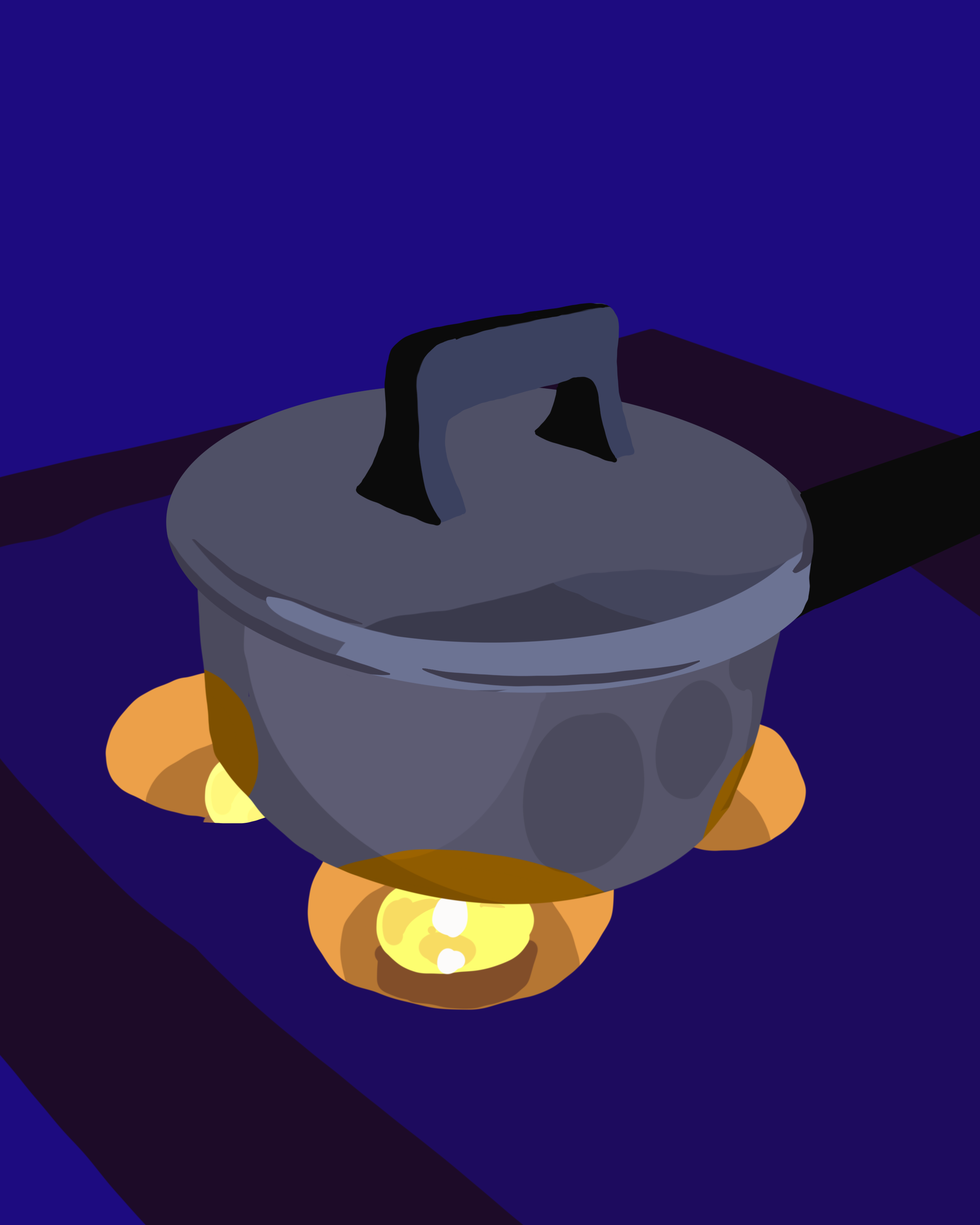
One of my good friends, Liza, recently told me about her experience – in a voice message. Her hands were too cold to type. Recently, she had to contend with a power cut that lasted for more than thirty hours. To deal with the lack of electricity, she bought rechargeable lights and tea candles and spread them across her apartment. If her battery is dead, her phone’s flashlight cannot be used. To cook, she uses a camping gas stove.
On top of extra blankets stacked under the windows to keep out the cold air, she and her neighbors chipped in to buy a generator that allows them to heat their apartments for short periods of time every now and then. She also started going to generator-powered gyms, where she can take warm showers.
“It’s really sad,” she said to me. “I know that I’m not in the worst case here, all I have is a dog – I don’t have kids, you know. At least I’m in my apartment, I can stay under the warm blankets, and I will be fine. But the people who have to work outside, who are cleaning the streets or fixing the power stations... It’s unbelievable to me that people are doing everyday work in these conditions.” She had made a conscious decision to stay in Kyiv, which she explained to me in these terms. “The only thing I think about is: to hell with you, Russia. Regardless of what you are doing, I’m going to keep doing my stuff. I don’t want to leave the city. Their goal is to wipe us out and make us run away, but I don’t think it’s going to happen”.
Like so many other Ukrainians, Liza’s choice to stay is an expression of agency, though the collective fatigue of the city is becoming harder and harder to ignore. “Another attack of this scale, and we are done,” another friend told me a few days ago. “I’m just so tired. At this point, I almost want the attack to come just so I know what I’m dealing with. If they destroy the grid completely, maybe they’ll stop hitting us. But then, of course, it’s over,” he said.
With every strike, the city's infrastructure edges closer to a total breakdown, and so do its people. We do not talk about what happens if the lights never come back on. We do not really think about it. We just keep moving through the dark, doing the small things that give us a sense of normalcy and that prevent our lives from falling apart.
Pauline Foret is a political scientist, journalist and researcher specializing in Ukraine and the post-communist space. Her work examines institutional transformation in hybrid regimes, with a focus on patronal politics, wartime governance, and democratic development in Eastern Europe. She holds an MA in Eastern European Studies and Political Science from Freie Universität Berlin, where she wrote her thesis on authoritarian succession dynamics in Kazakhstan, as well as an MA in conference interpreting from the Université de Mons (Belgium).
Illustrations by Kennan Institute Creative Director Jude Schroder, based on photos by Liza B. and Maksym H.