
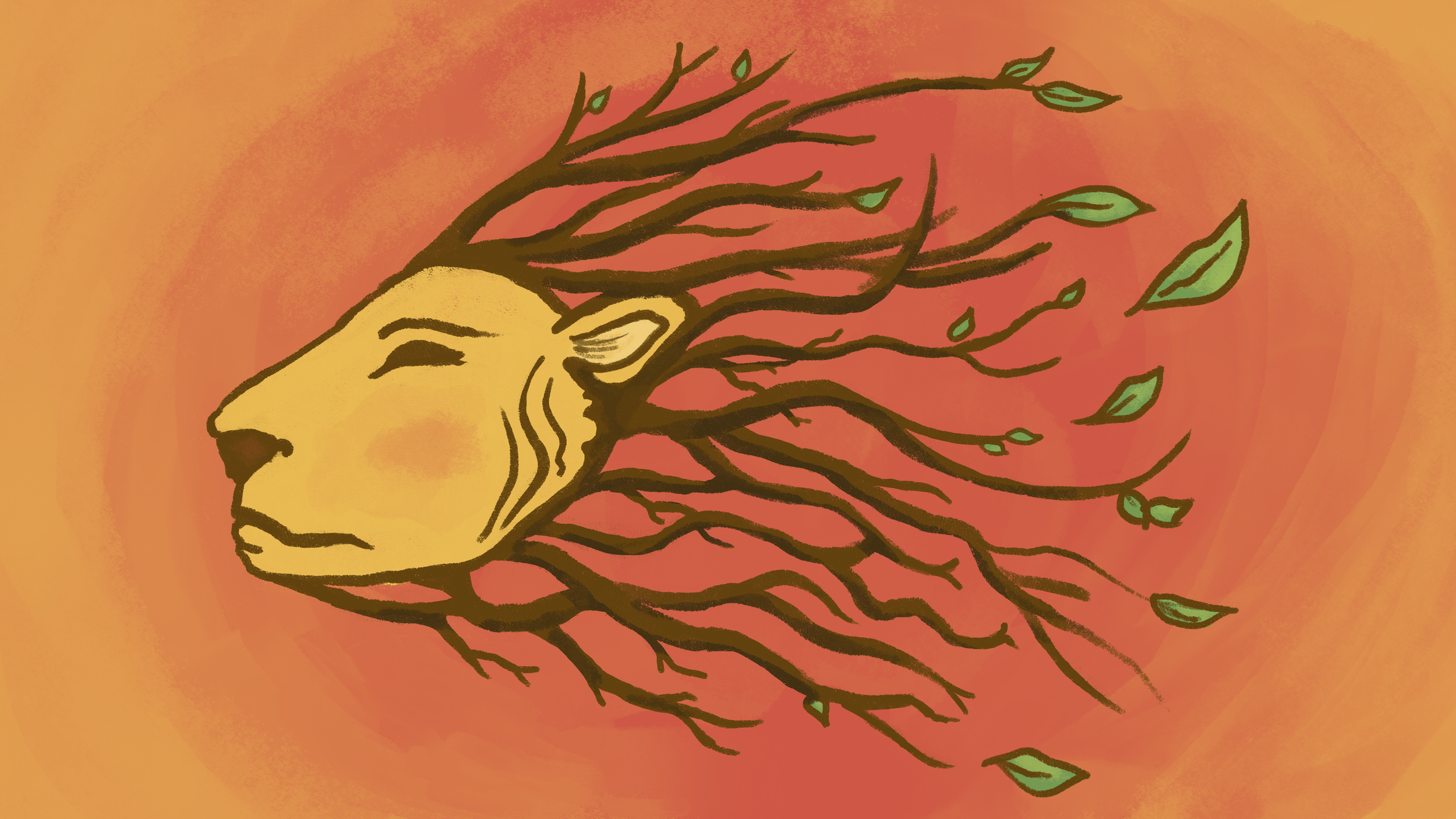
Making Sense of Senseless Violence
Olena Stiazhkina’s novel, Cecil the Lion Had to Die, tries to make sense of the Russian invasion in 2014. This war began and continues when there is ample knowledge about the dangers of colonialism and the need to preserve our planet. Along with people and natural resources, Russia is destroying humanity's aspirations and ideals.
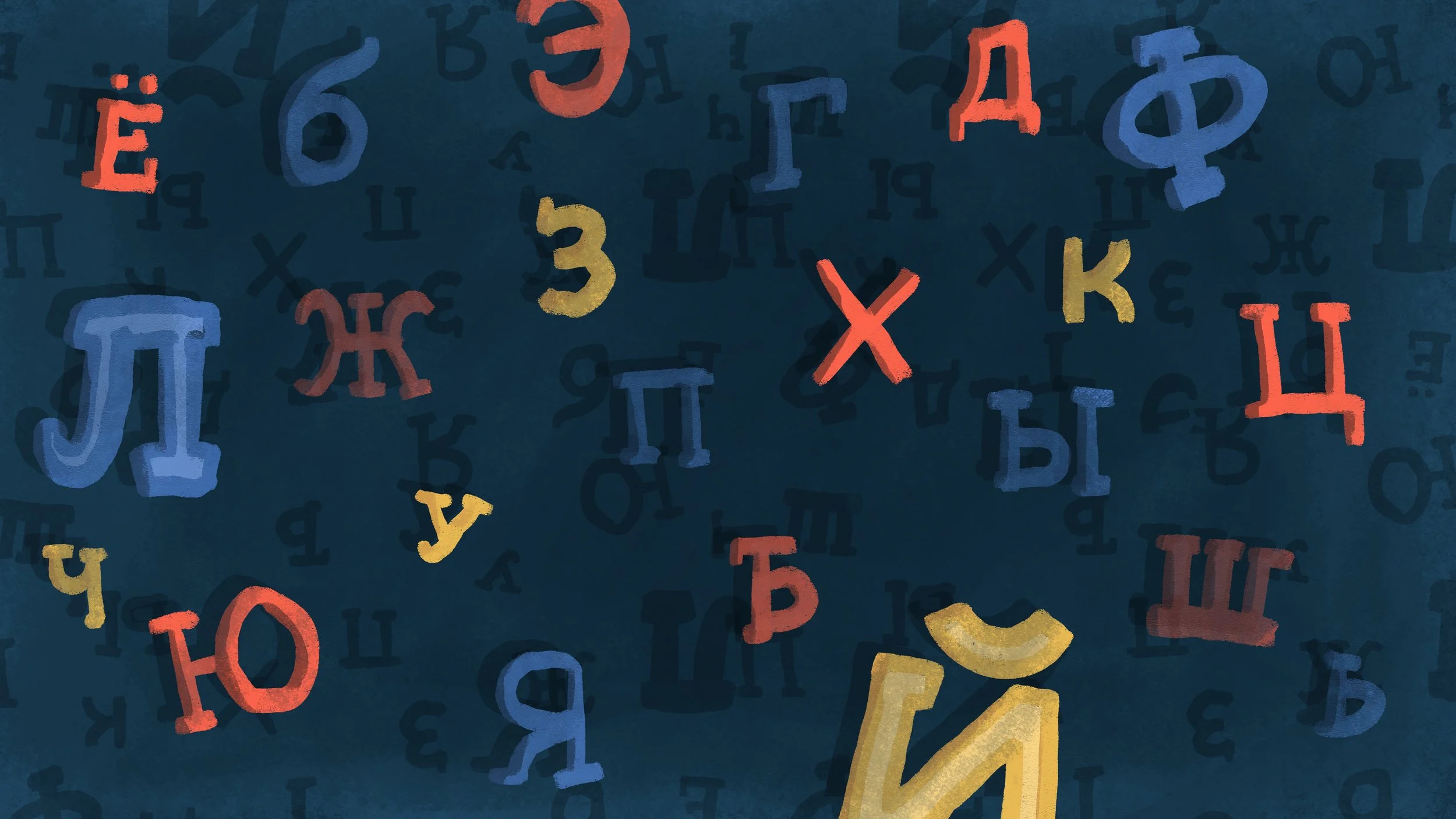
The Languages Russia Almost Forgot
A group of writers who fled Russia for political reasons has founded a PEN Center that, while analyzing the repression of literature in their homeland, has embarked on something less expected. The Center challenged the assumption that the Russian language should occupy a dominant place within Russia itself, launching a decolonial project to support the literature of indigenous peoples and of various minority ethnic groups.
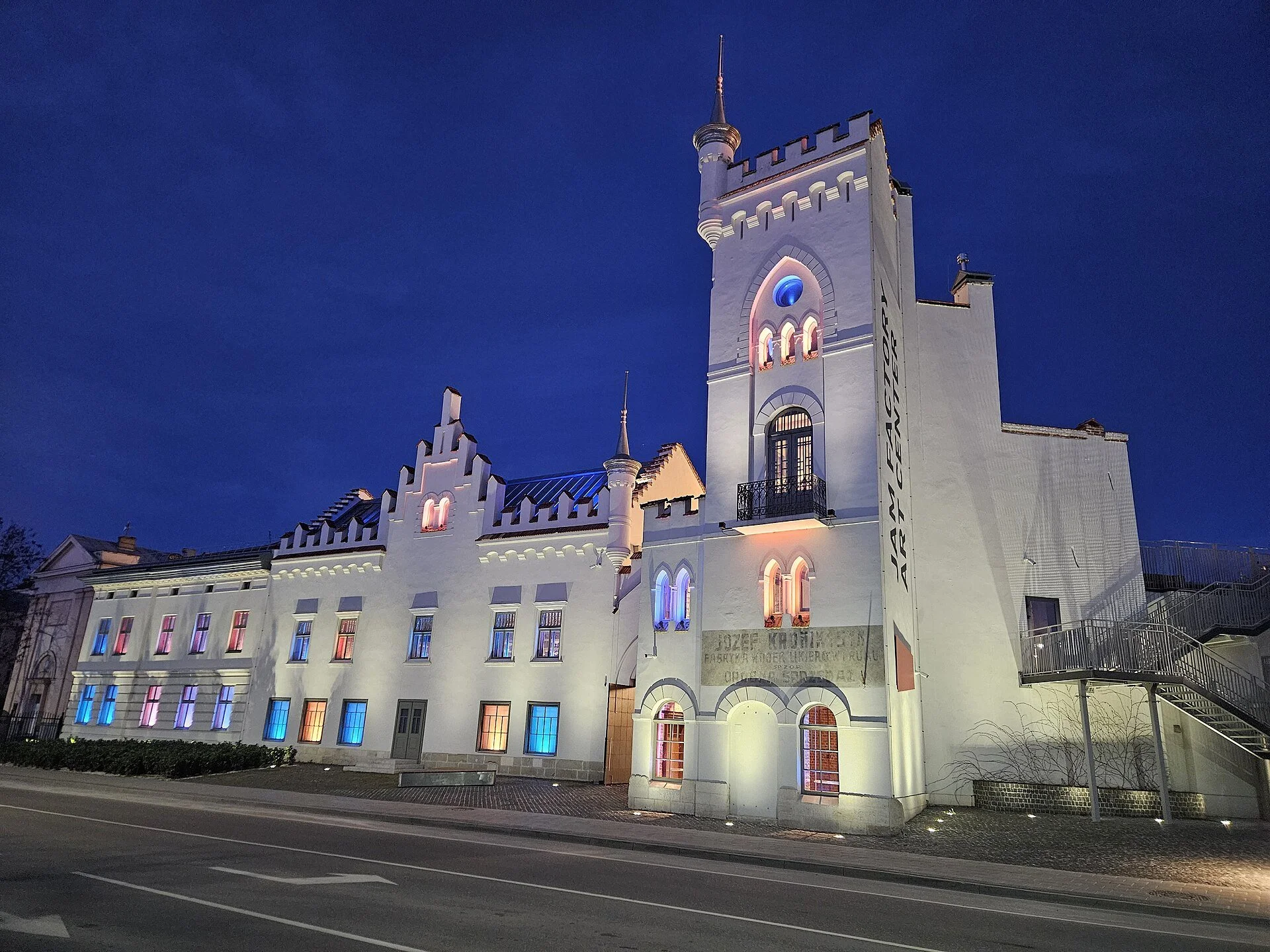
Who Has the Right to Speak?
This summer, the Jam Factory Art Center in Lviv opened an exhibition with an almost prophetic title: THIS IS FINE)), examining self-organized artistic initiatives in Ukraine from 2014 to the present. The curators describe self-organization as a mode of "existence, survival, and collective action amid war and ongoing instability," a way to continue working even when everything around you is on fire.
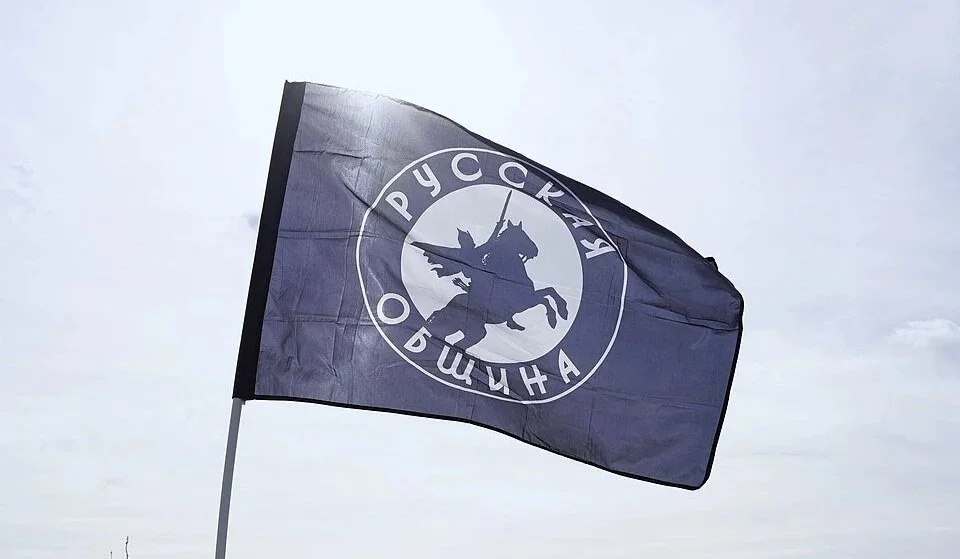
When the Russian World Comes Home
Last September, a new conservative movement made itself highly visible in Russia. Known as Russkaya obshchina, or Russian Community (RO), the group has engaged in anti-migrant vigilantism and enjoyed public support from parts of the Russian security apparatus.
Part 3: A Dream Contested
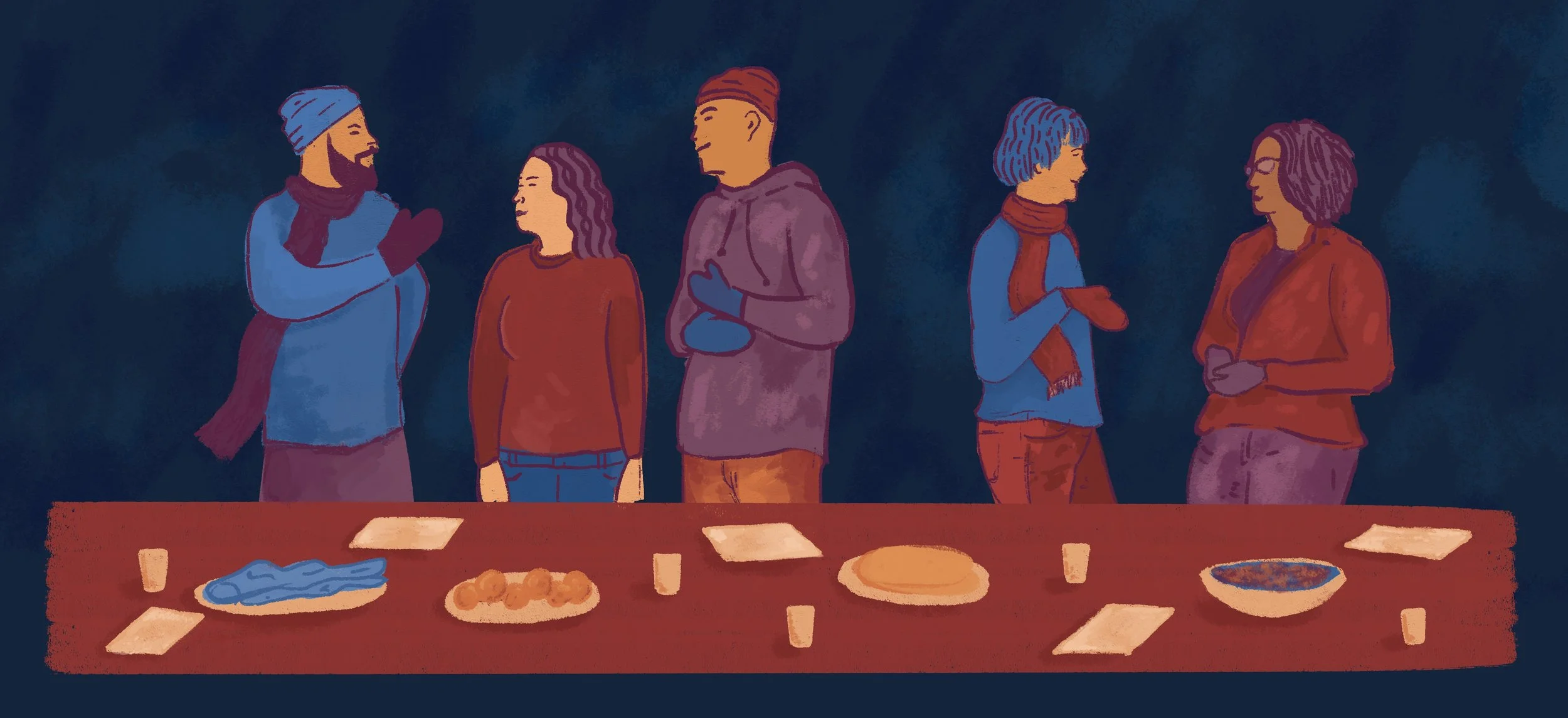
On several visits to Georgia over the past three years, I have attempted to interview members of the Georgian Dream (GD), but have found little willingness to meet with an American who has worked as both a journalist and an academic.
U.S. Statecraft on the Eve of Russia’s Attack on Ukraine
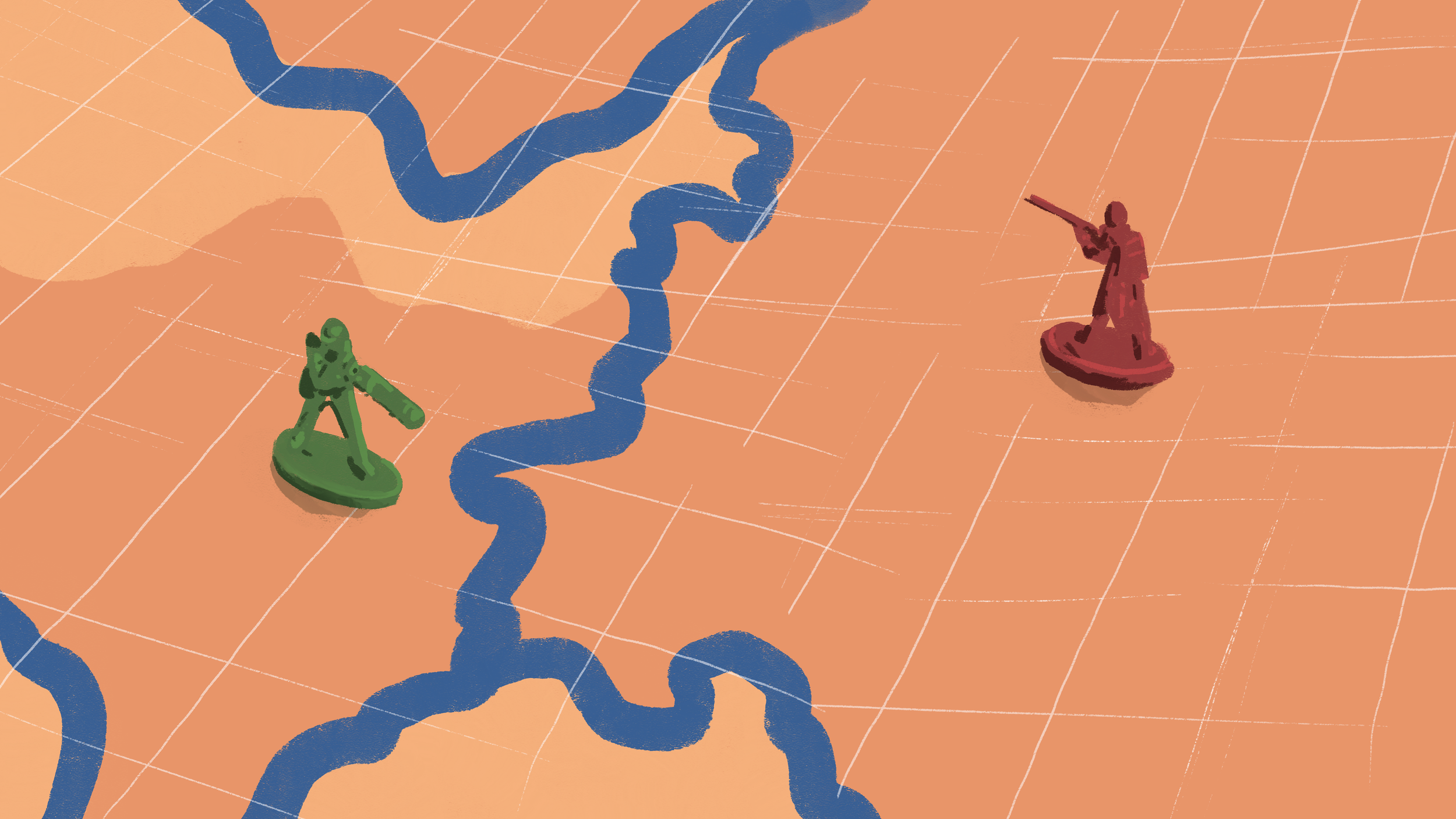
Thanks to the use of intelligence in diplomacy, economic statecraft and public messaging, the United States, Europe and leading Asian countries were poised to provide immediate support to the Ukrainian people in resisting the invasion.
The Nouveaux Riches of “Novorossiya”
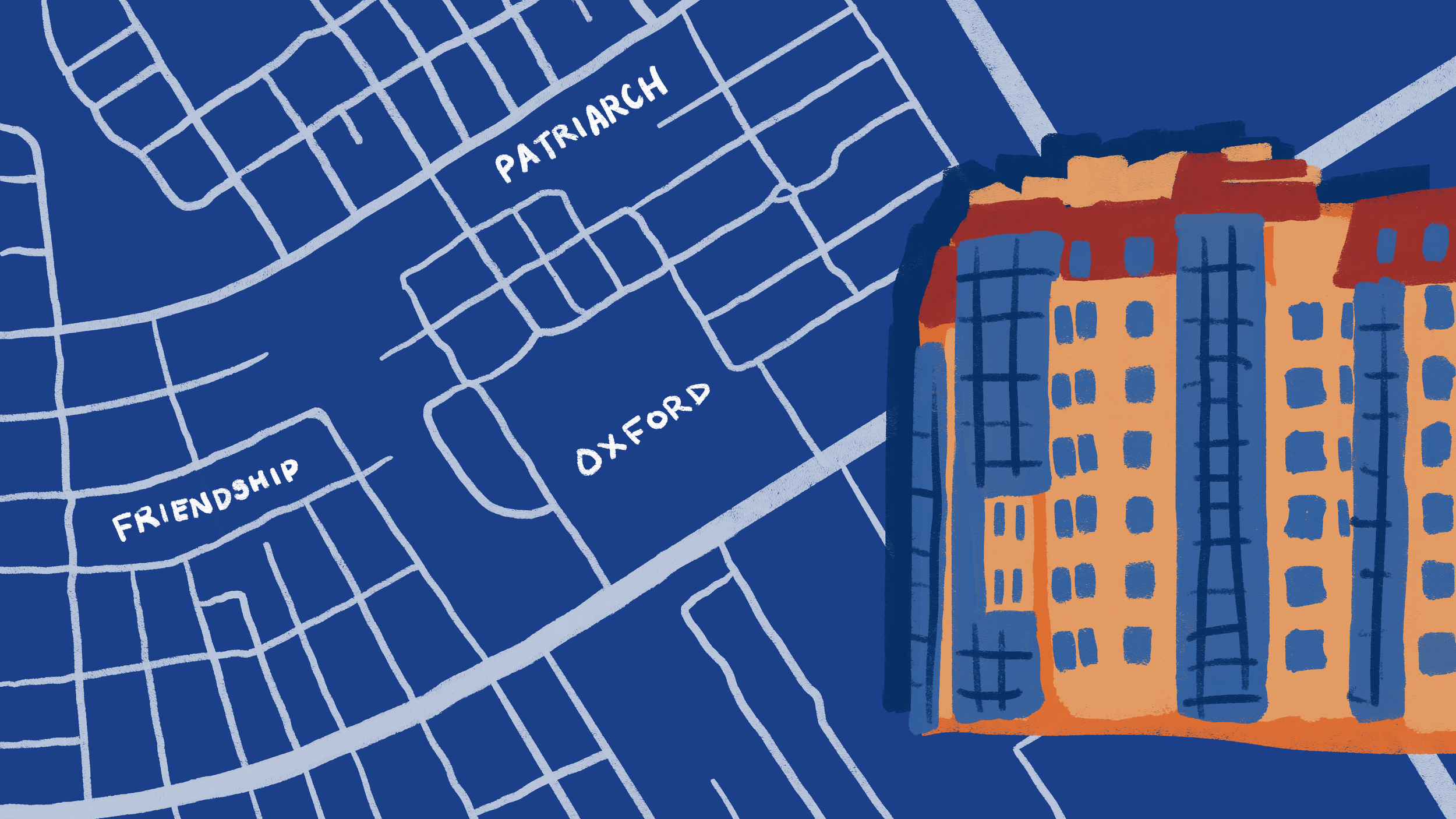
In the center of Mariupol, at 28 Engels Street, one can find the opulent gaucherie of the RICH restaurant. It was built on the ground floor of a destroyed block of flats, a shiny pedestal on a gruesome grave.
Letter from Kyiv
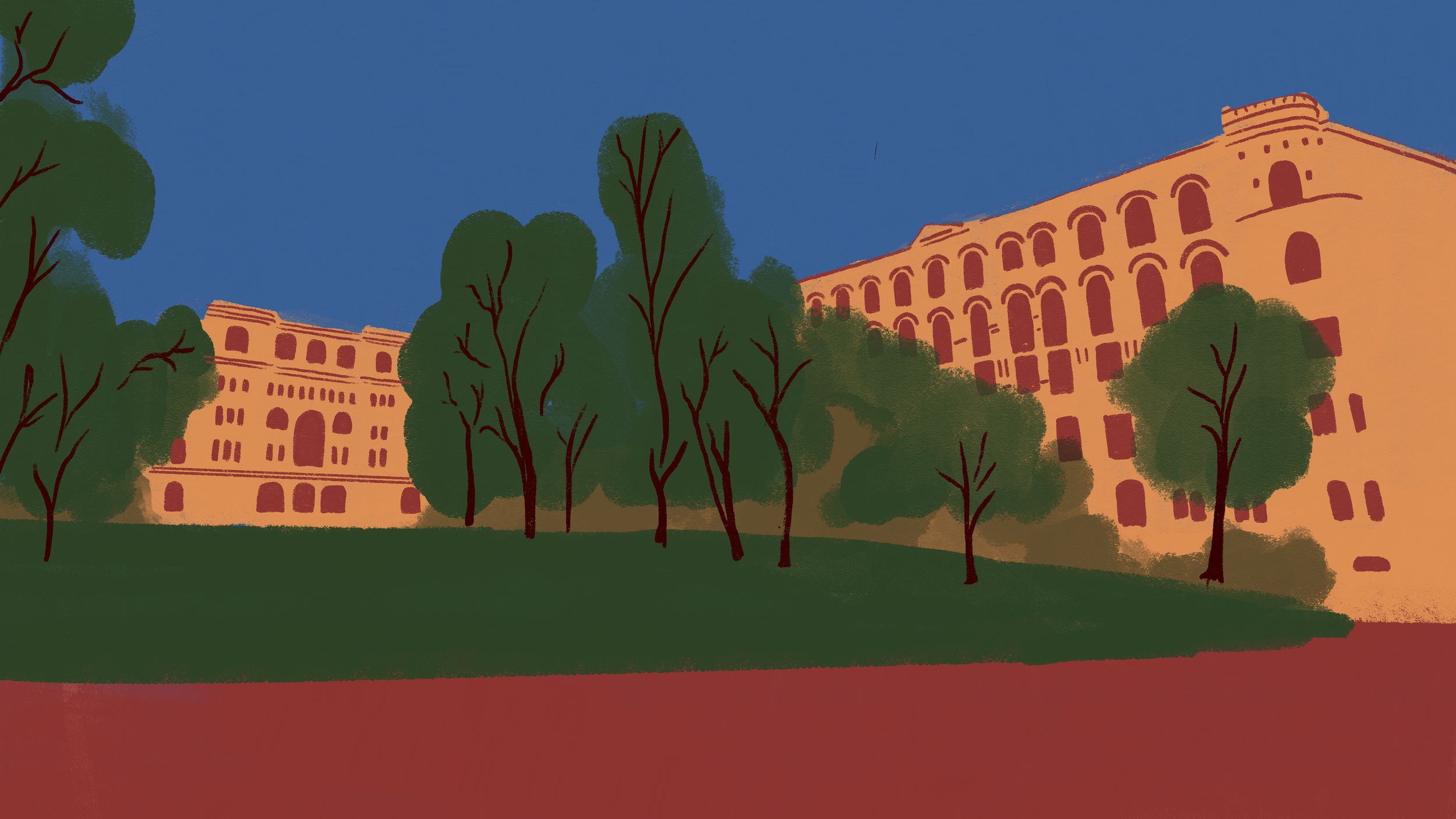
Late autumn used to be the season for revolutions in Kyiv. Since last year, this has changed, and in July 2025 there was the first mass protest since martial law was instituted in 2022. It was dubbed “the cardboard Maidan,” though it was not on the Maidan, not on Kyiv’s Independence Square exactly, but on a square not far from.
Part 2: “Foreign Agents”
Georgia’s politicians may be used to politics as a blood sport, but leaders and members of non-governmental organizations inhabit a different world. Many of them are volunteers and are paid little or nothing. And yet, despite mass arrests, police violence, and a series of laws restricting freedom of expression and assembly, civil society continues to function in Georgia.
The End of Belarus's Balancing Act
Aliaksandr Lukashenka has spent three decades in power, leaving some observers with the impression that he still has a real choice between Moscow and the West. Since 2020, that choice has grown far harder to sustain.
Part 1: Georgia’s Fading “Dream”
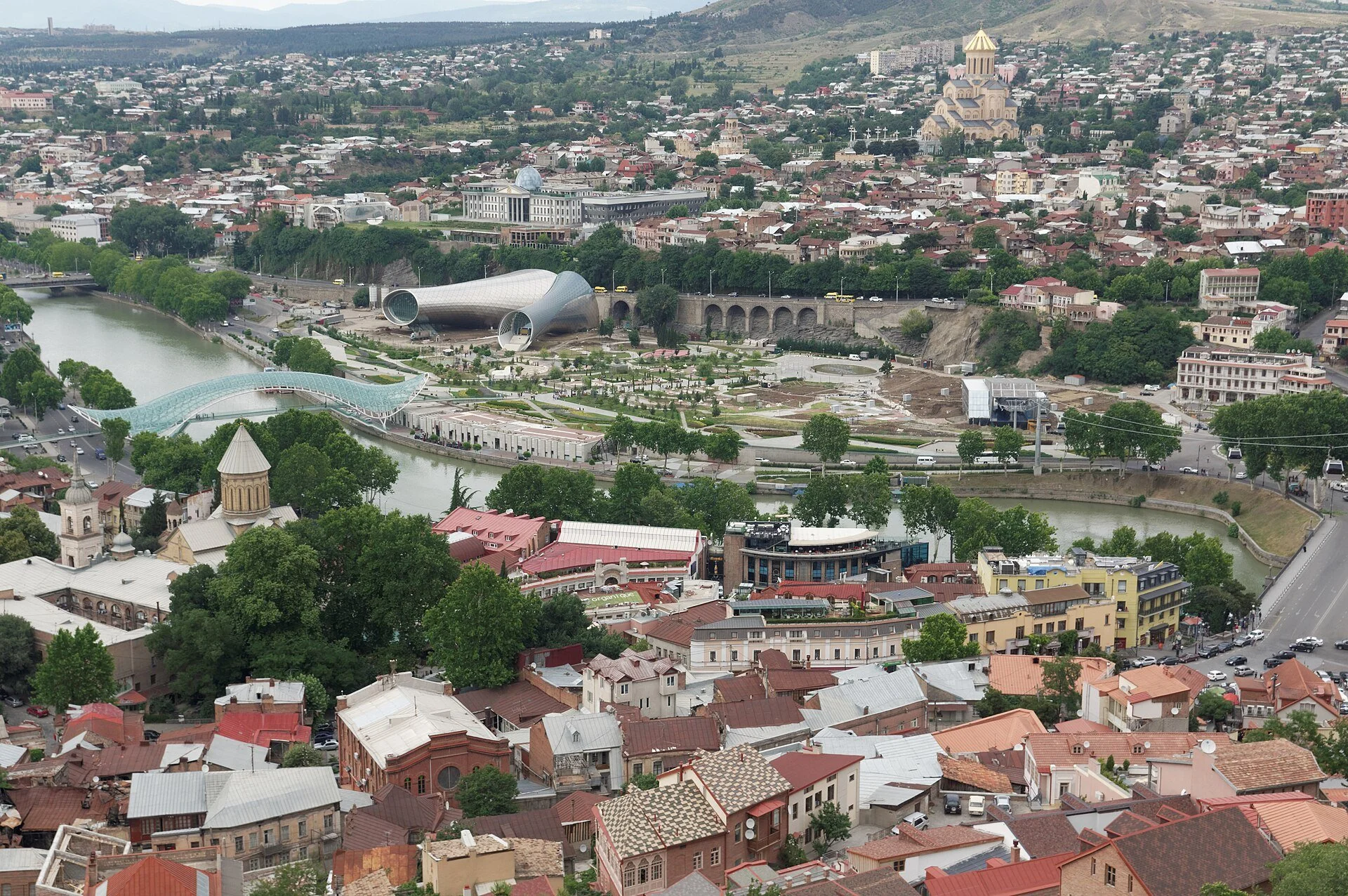
Arriving in Tbilisi in early March, I was looking forward to meeting friends and colleagues and to interviewing a number of Georgians. They could help me understand what I knew from several previous trips to Georgia was a rapidly deteriorating political situation. I had a long list of politicians, academics, journalists, and civil society advocates to speak with.
The Tale of Two Filmmakers in Putin’s Russia
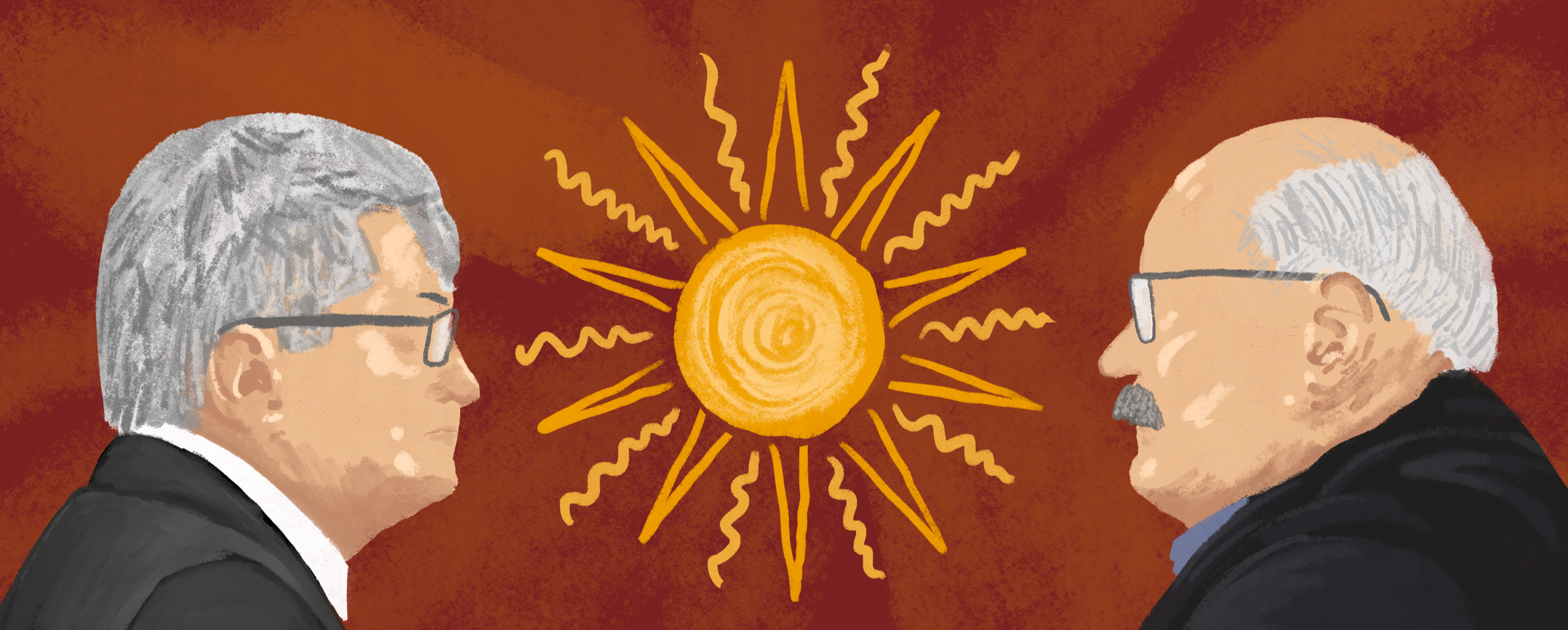
Two directors — one a Kremlin loyalist, one a lone dissenter — bound to power in a decades-long drama. These two towering cultural figures seem to embody radically opposing responses to power.
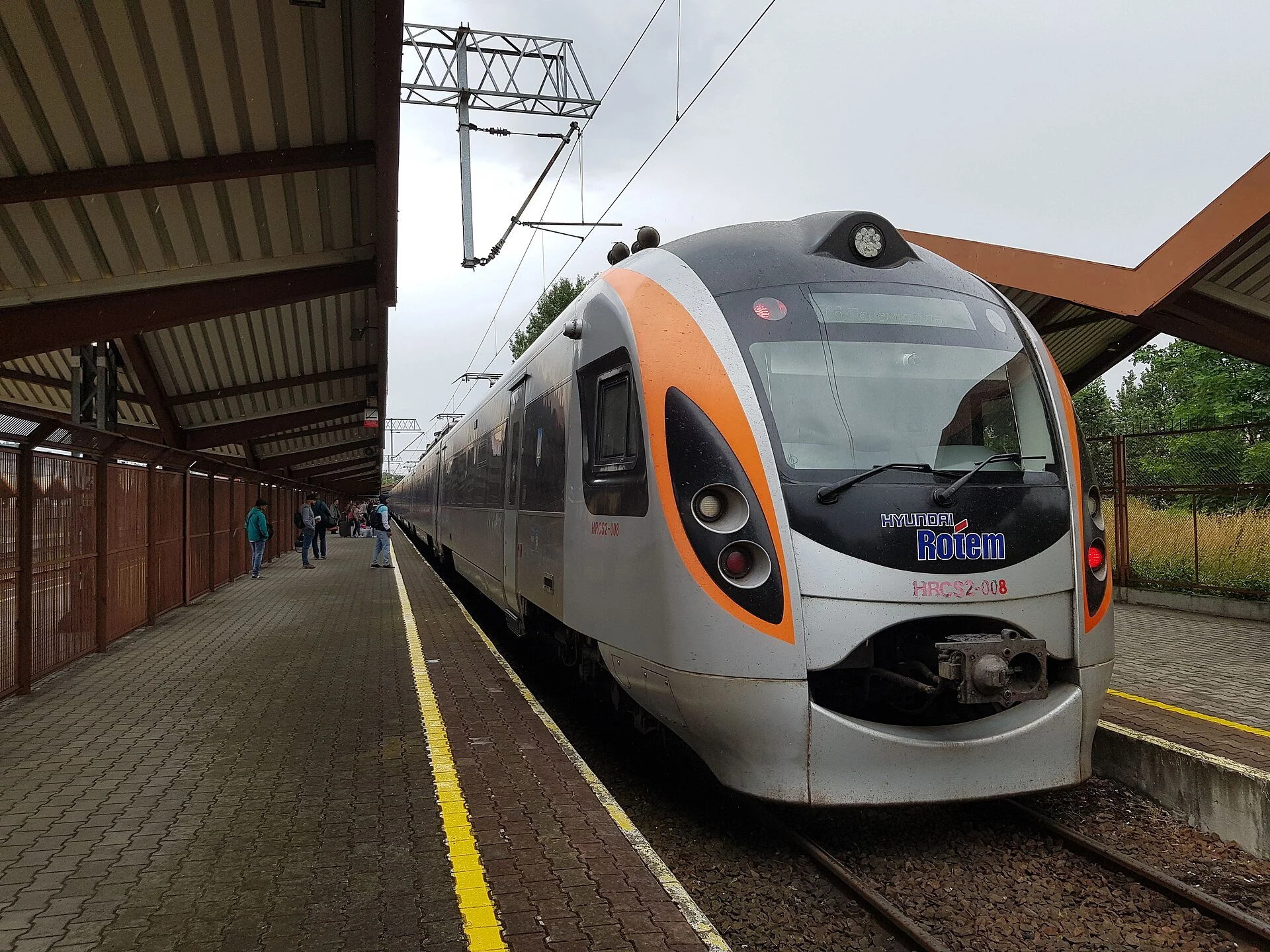
Getting About in Wartime
It is hard to stay put during a war for several reasons. In wartime, even people with limited mobility, if they want to survive, are forced to become "mobile.”
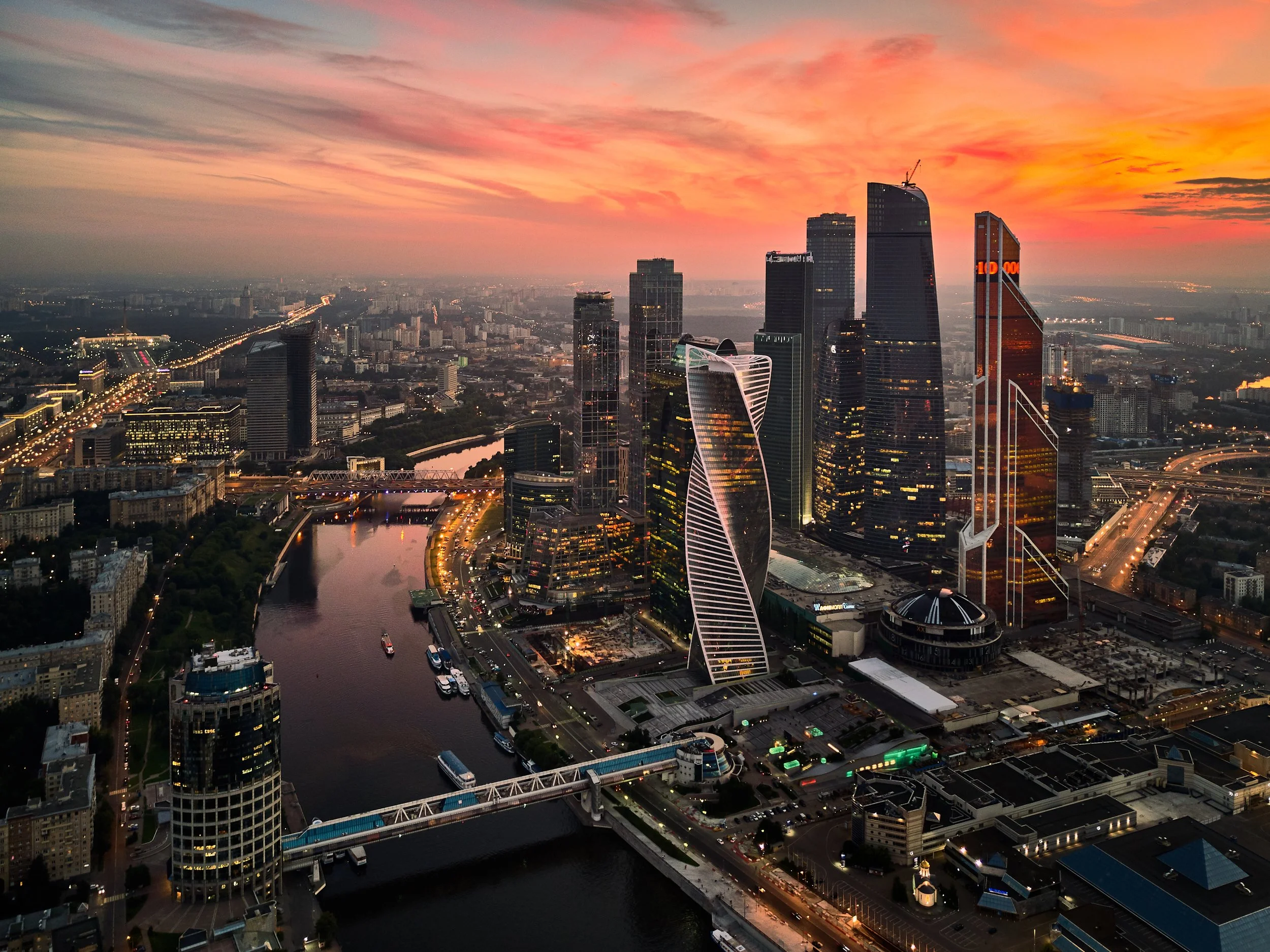
Loyal Moscow, Restless Russia
Today, dissatisfaction with the war, frustration with the authorities, and a desire for peace are concentrated primarily in the regions, while Moscow now stands apart for its markedly more statist and militaristic attitudes.
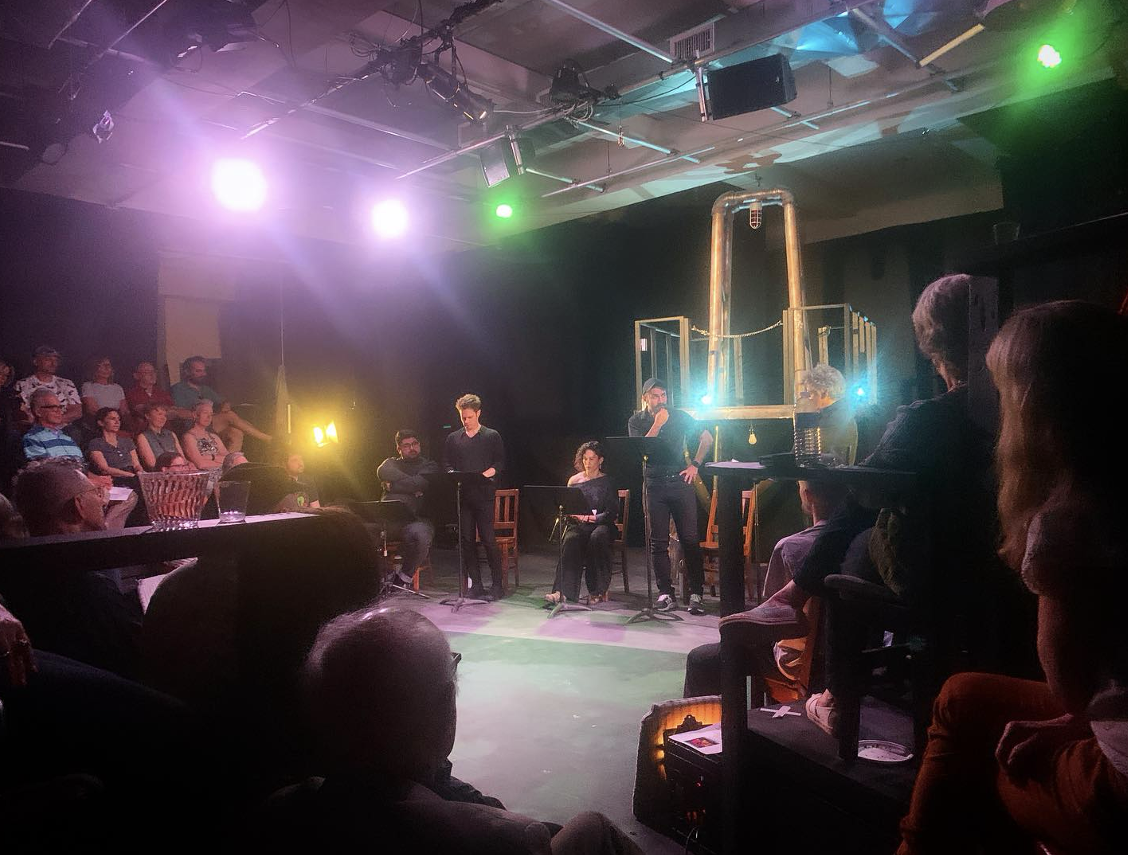
From Self-Censorship to Exposé
New Drama began about a decade after the fall of Soviet Union. It used the stage to speak directly about social issues, which state-sponsored media in Russia would not cover. One of the movement’s main formal qualities of the movement was its reliance on docudrama.
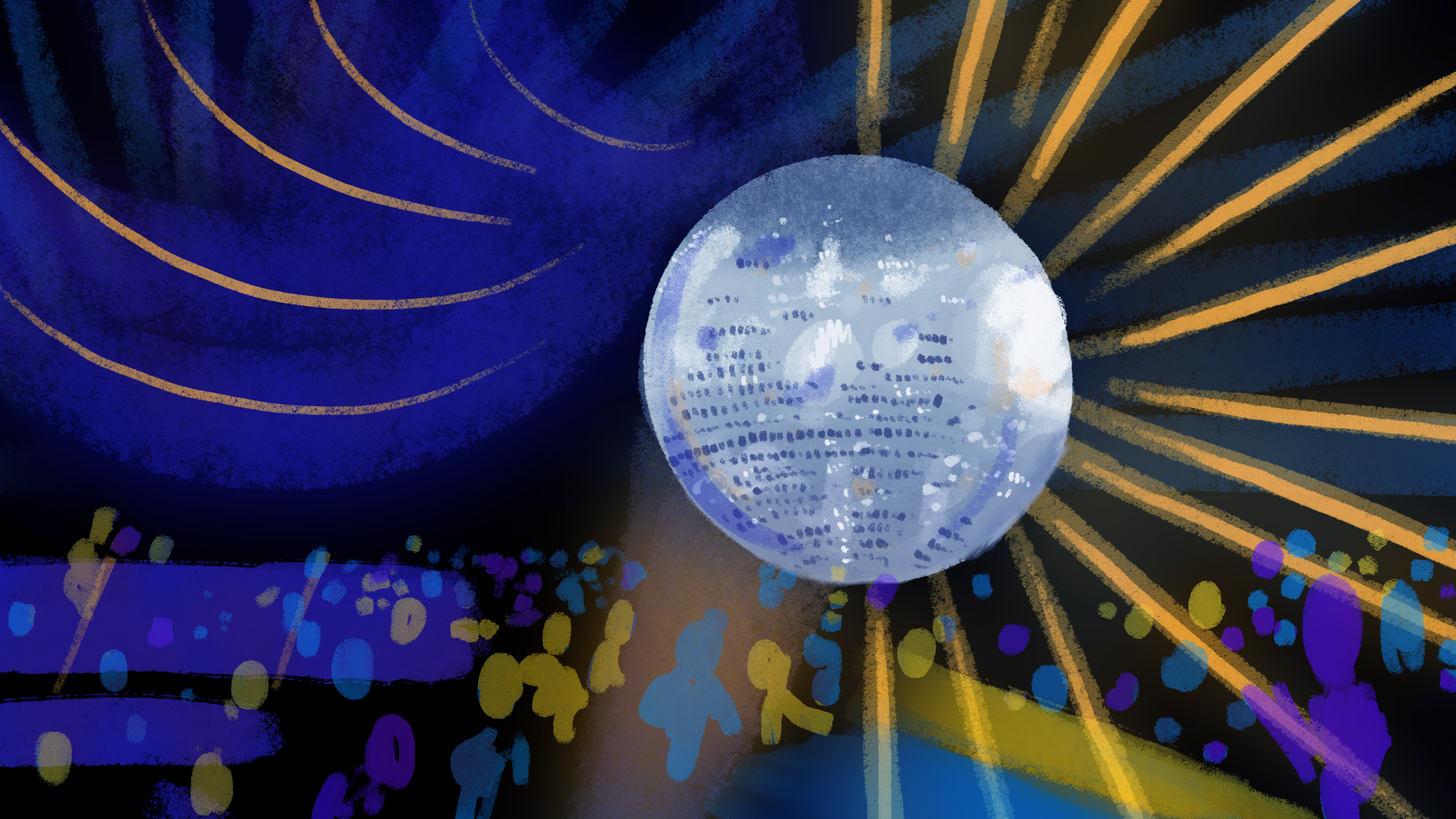
Letter from Kyiv
Wartime Kyiv is sometimes criticized for its hedonism… That’s what keeps the country sane… the modest trappings of civilization. We need our flag, and we need a disco-ball. Without either one, the hardships of the last years would make no sense.
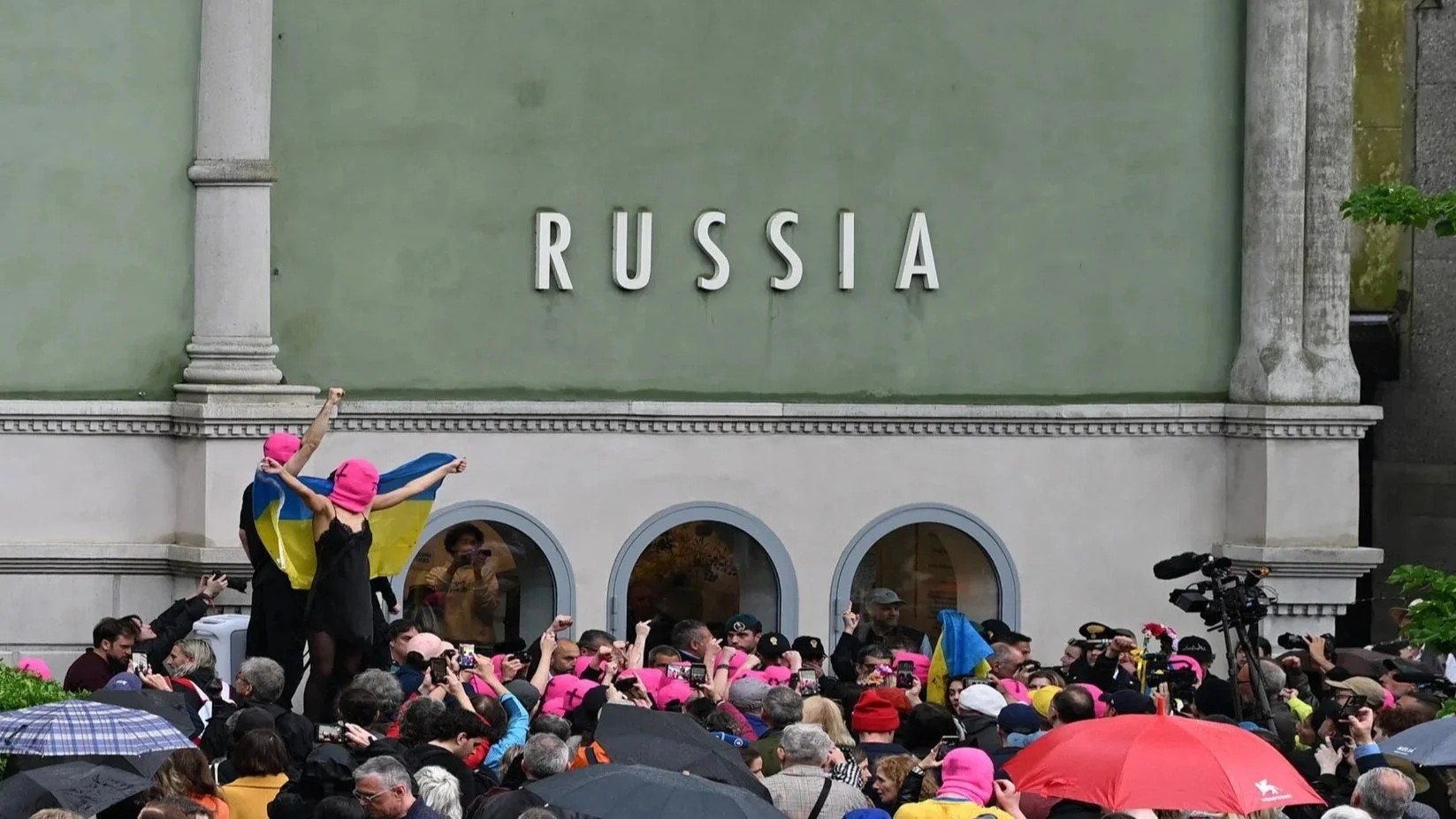
Nobody’s Heroes
Russia's closed pavilion at the Venice Biennale — funded by a Ukrainian, designed by a Soviet architect — stands as an accidental monument to a century of ideological reinvention.
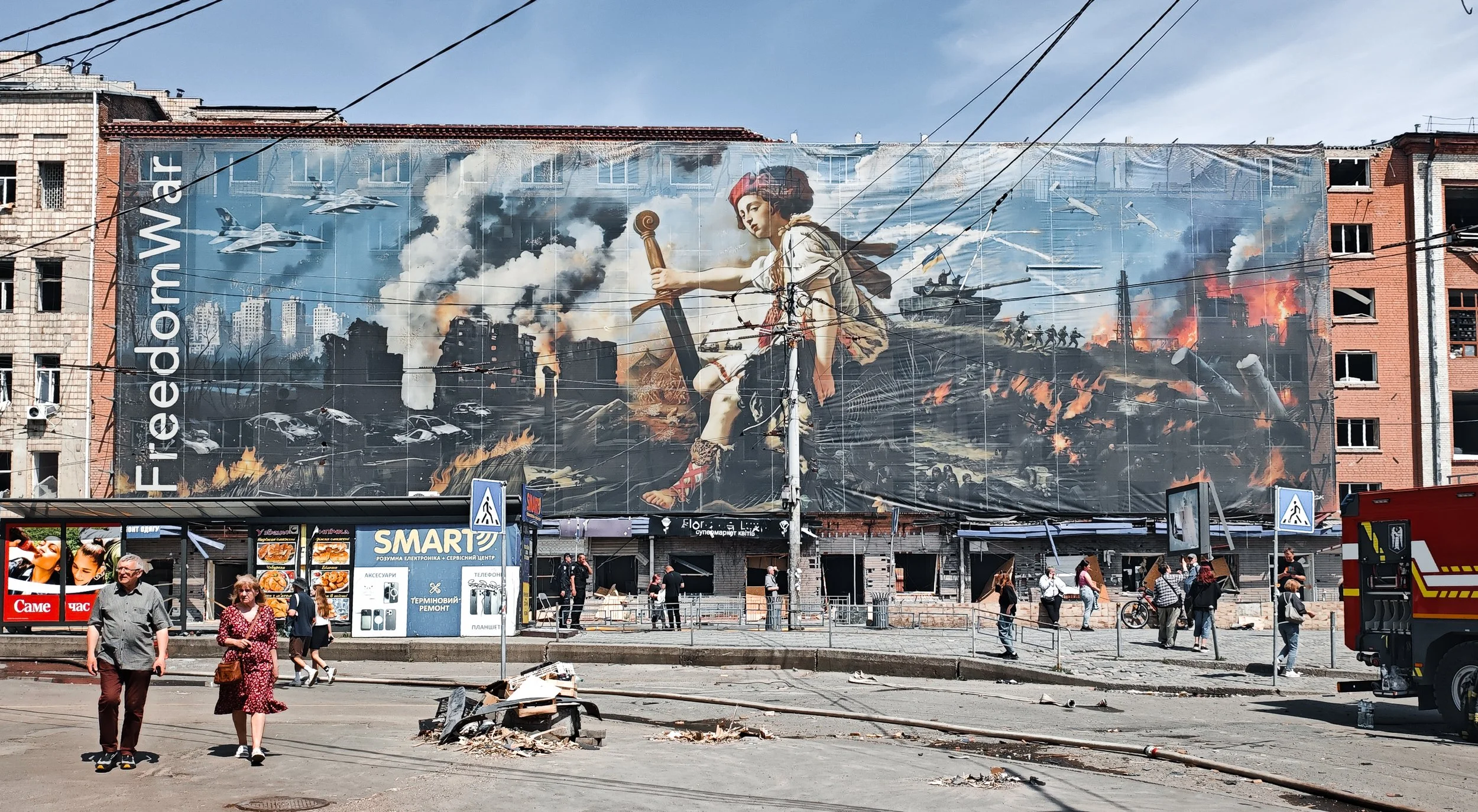
Letter from Kyiv
In Kyiv, an invisible competition for the country’s future shape is percolating. More a tectonic than a political competition, it is proceeding slowly and at times painfully.
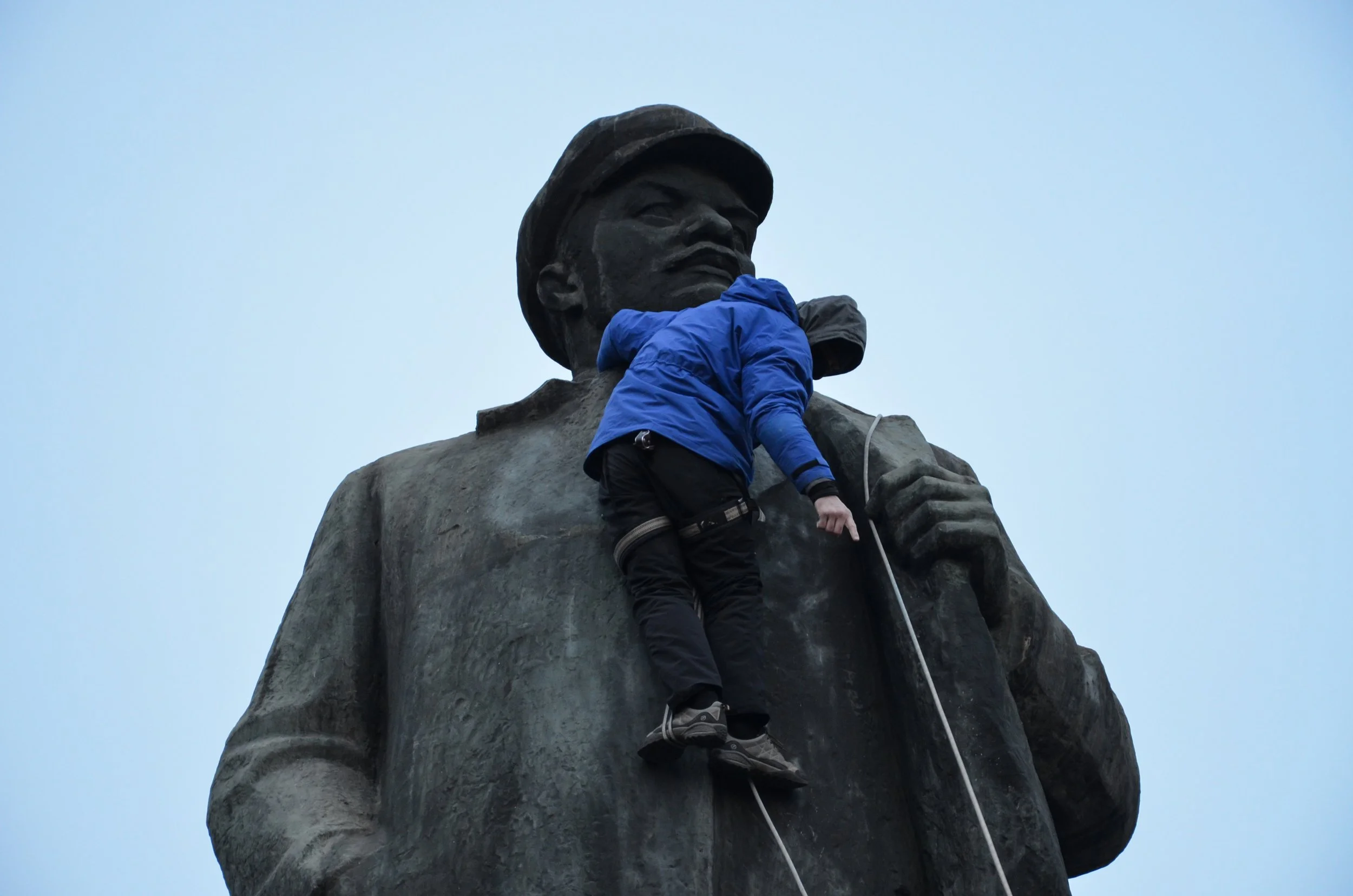
The Battle for Memory
New monuments are being erected and old ones destroyed in Ukraine’s occupied territories. The Reckoning Project — a global team of journalists and lawyers documenting, publicizing and building cases for war crimes— has interviewed witnesses.
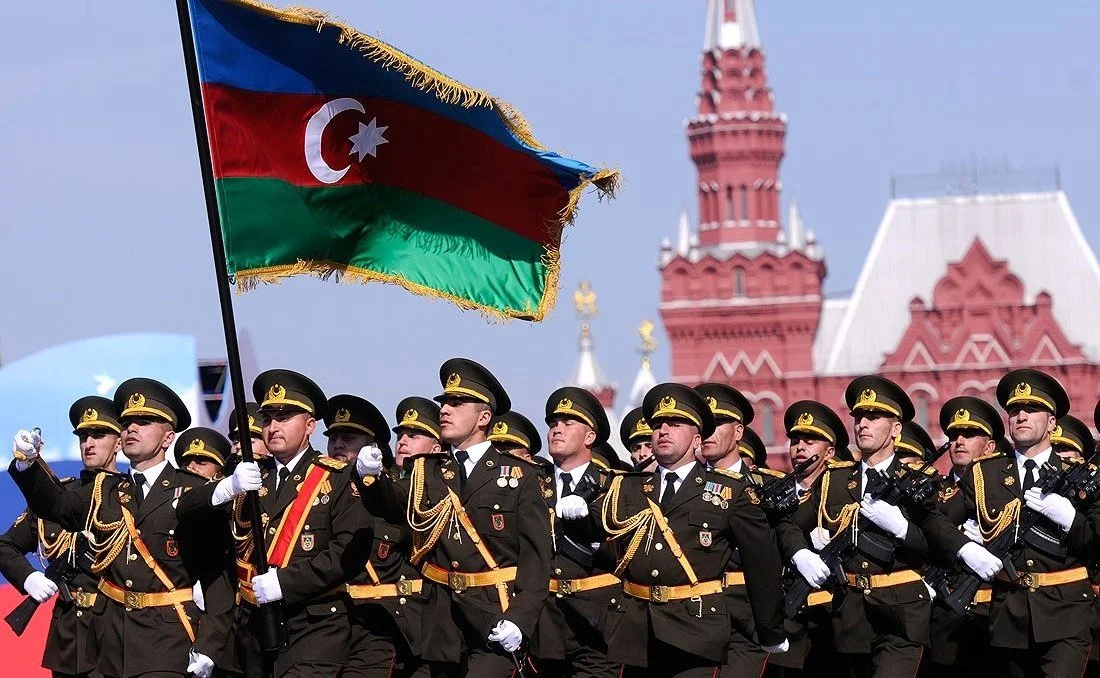
Systemic Strain and the Logic of Escalation
A figure once known as an anti-Navalny attack dog now presents himself as the head of the Russian opposition. Several outlets have circulated a leaked report this week claiming that Putin is in hiding, fearful of a coup. Observers abroad and many within Russia’s pro-war camp are beginning to register growing tensions in Putin’s world.